
Laser Marking
A laser marking machine writes a permanent code, logo or serial into the surface of the part — no ink, no ribbons, no consumables. Three wavelengths cover metal, heat-sensitive materials and non-metals, each supplied as a flying coder, a desktop cabinet or a cordless handheld unit.
The Range
Machines in Our Marking Line
The range spans fiber, UV and CO2 sources — pick by the material first, then by how the part reaches the beam.
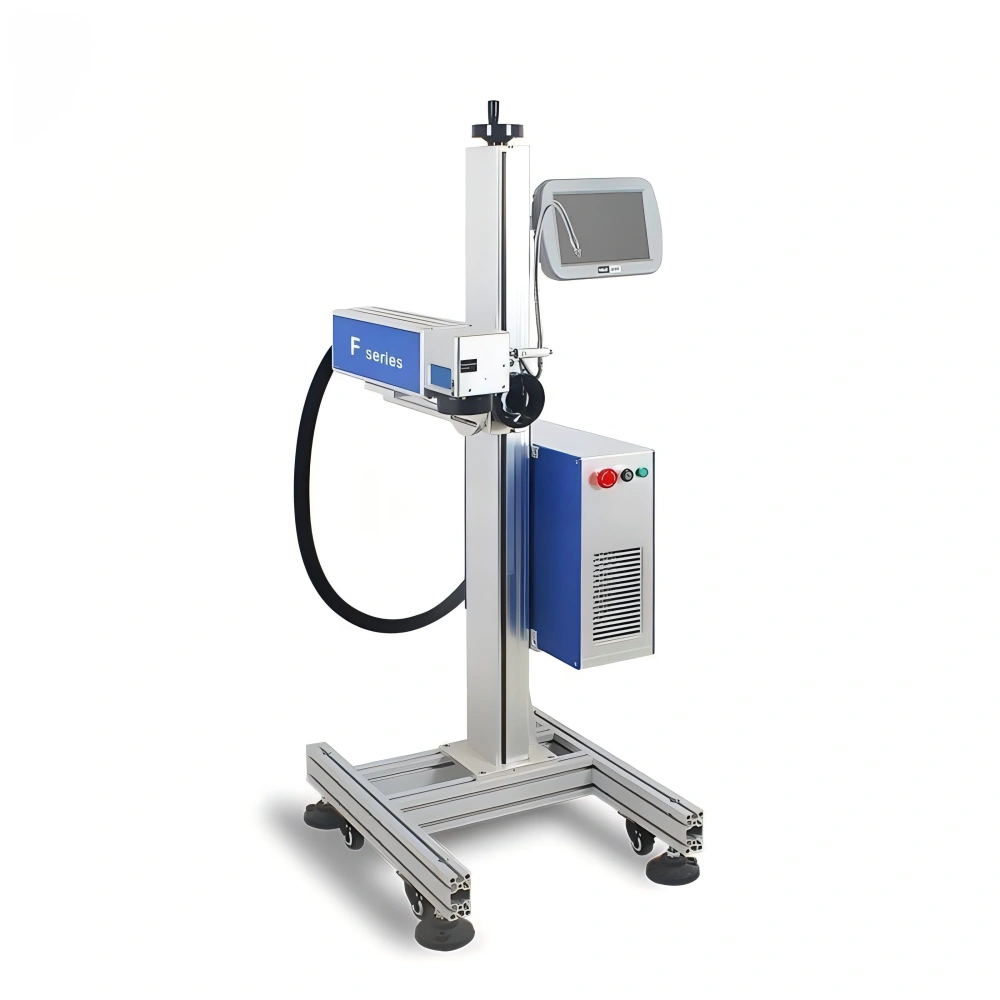
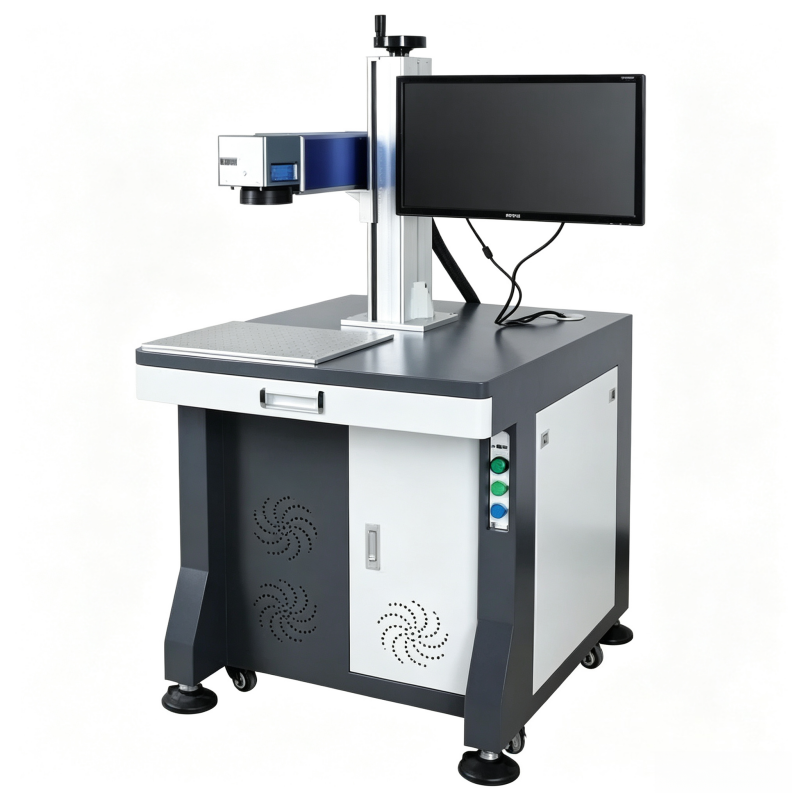
Fiber laser marking machines
A 1064 nm pulsed fiber source marks bare metal directly — steel, stainless, aluminum, copper, gold and silver — with no pre-treatment and no consumables.
- Power range20–100 W
- Wavelength1064 nm
- MaterialsSteel, stainless, aluminum, copper
- FormatsFlying · Desktop · Handheld
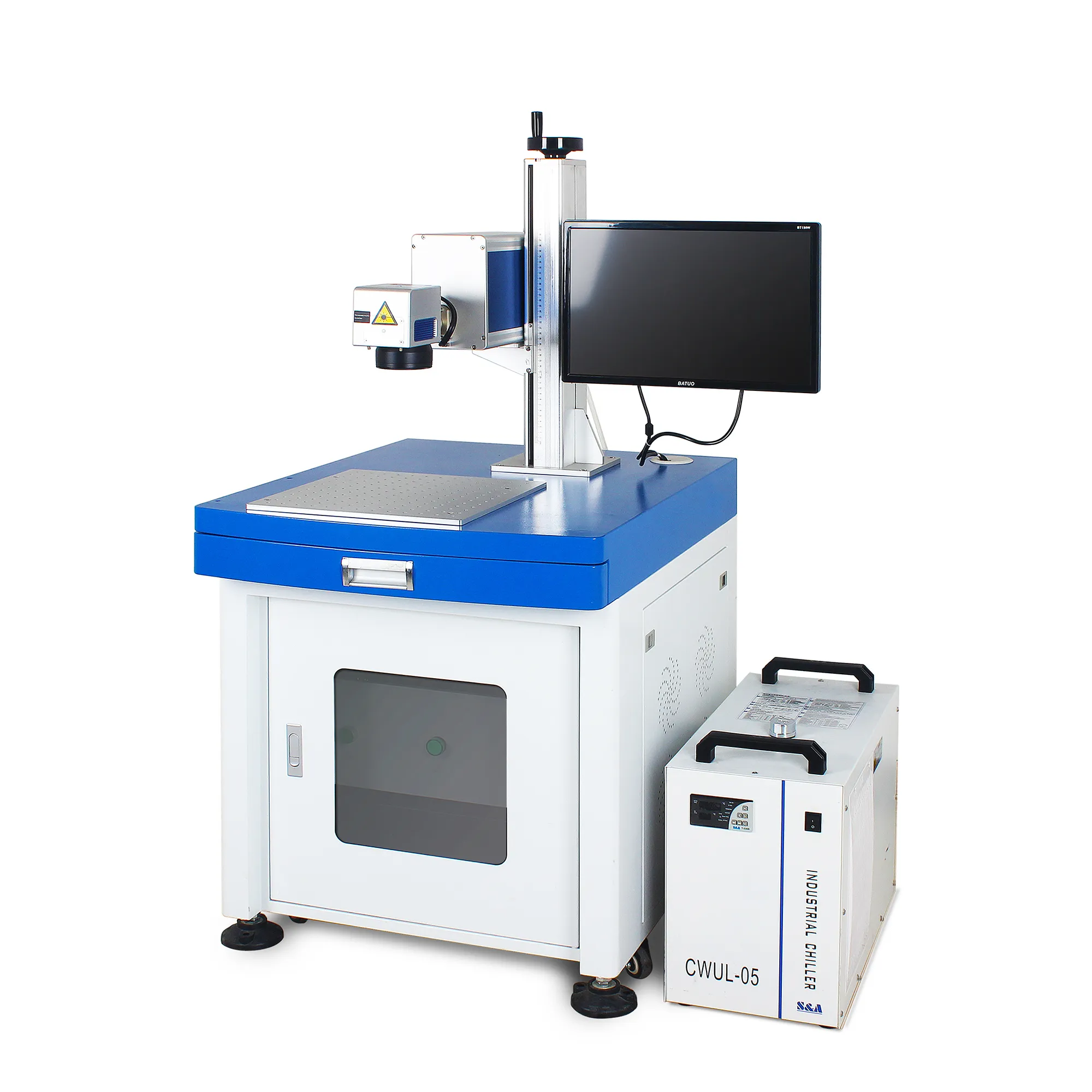
UV laser marking machines
A 355 nm pulsed UV source marks with very little heat transfer into the part, for glass, LCD panels, silicon wafers, sapphire and heat-sensitive plastics.
- Power range3–20 W
- Wavelength355 nm
- MaterialsGlass, silicon, film, plastics
- FormatsFlying · Desktop · Handheld
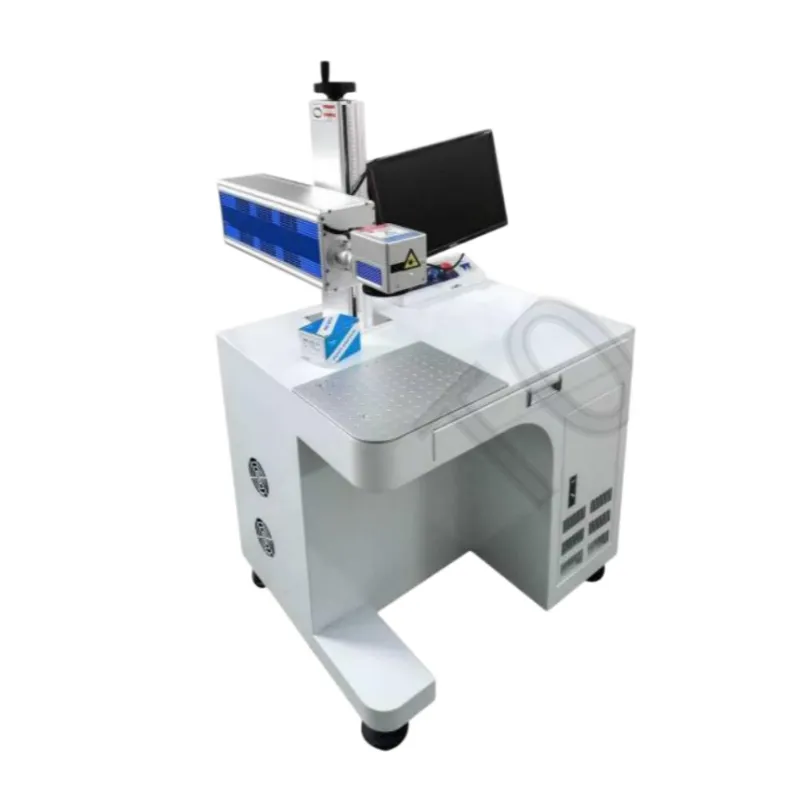
CO2 laser marking machines
A 10.6 µm sealed CO2 source marks and codes non-metals — wood, leather, paper, acrylic, ceramic and packaging — including date and batch coding in line.
- Power range5–40 W
- Wavelength10.6 µm
- MaterialsWood, leather, paper, acrylic
- FormatsFlying · Desktop · Handheld
What It Is
What Is a Laser Marking Machine?
Laser marking changes the surface of the part itself — oxidation, color change, engraving or foaming — so the mark cannot rub off or wash away.
Not Sure Which Fits?
Send us the material, the mark content and the size it has to hold, and we will recommend the wavelength and the format.
- Wavelength recommendation
- Full specifications on request
- Sample marking on request
Specifications
Key Specifications & Performance
The signature strengths of each wavelength — and the scanning platform all three share.
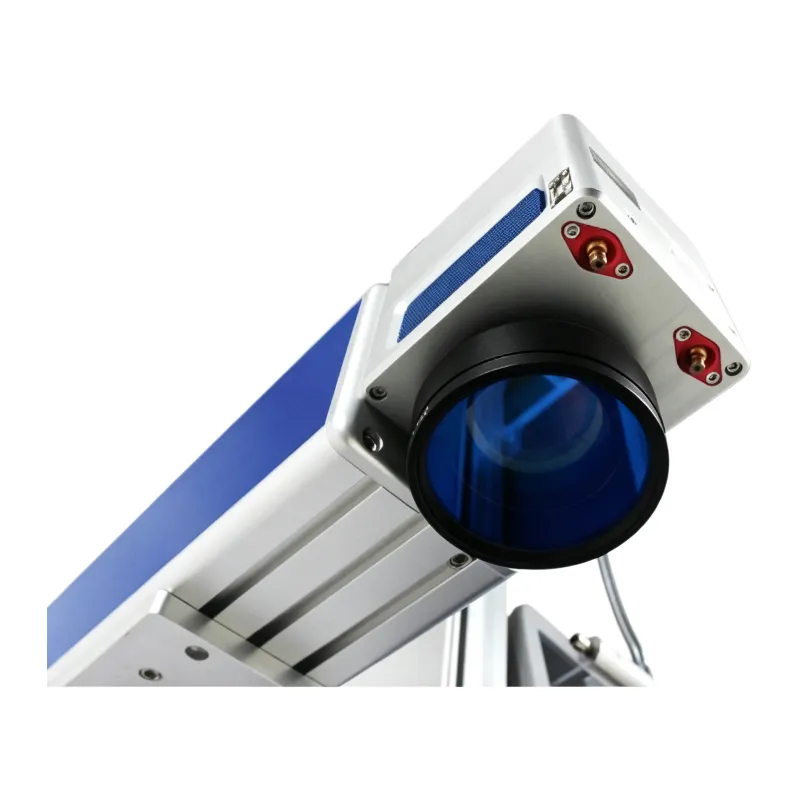
20–100 W · steel, stainless, aluminum and copper · flying, desktop or handheld
3–20 W · glass, silicon, sapphire and polymer film · the finest line width on the line
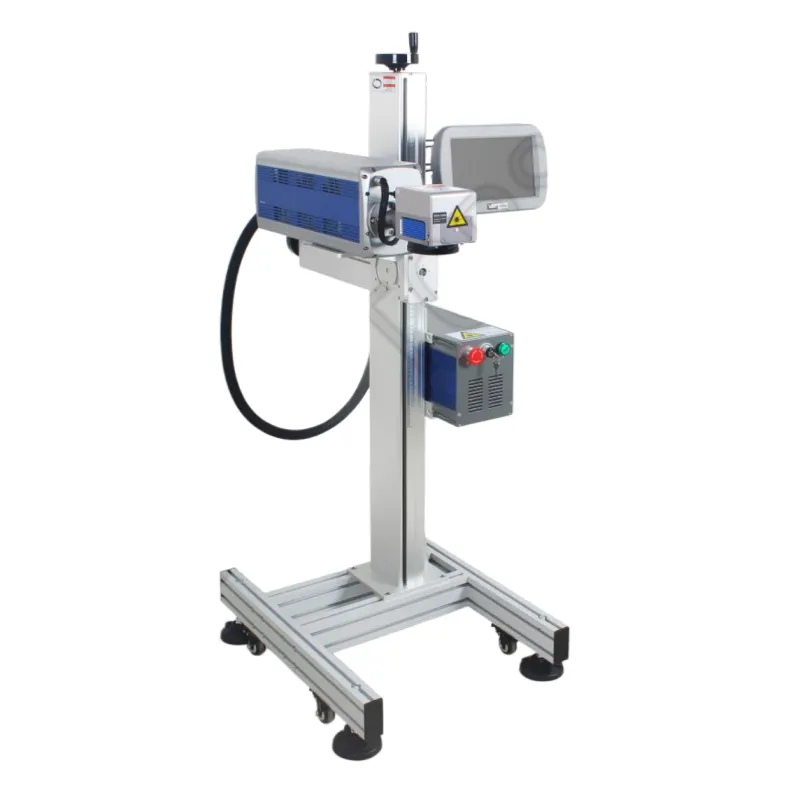
5–40 W · wood, leather, paper, acrylic and packaging · in-line date and batch coding
All three wavelengths run the same galvanometer scanning platform and the same marking software workflow, so operators move between formats with a familiar setup.
Applications
Applications & Use Cases
Across metals, non-metals and heat-sensitive materials — on the bench, in a cabinet or over a moving line:
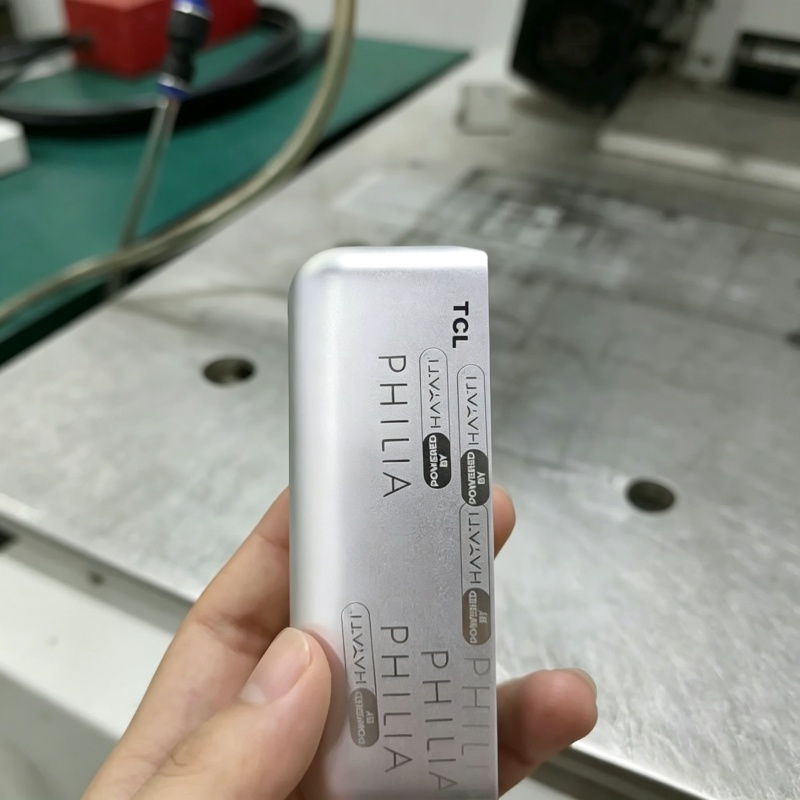 Stainless steel
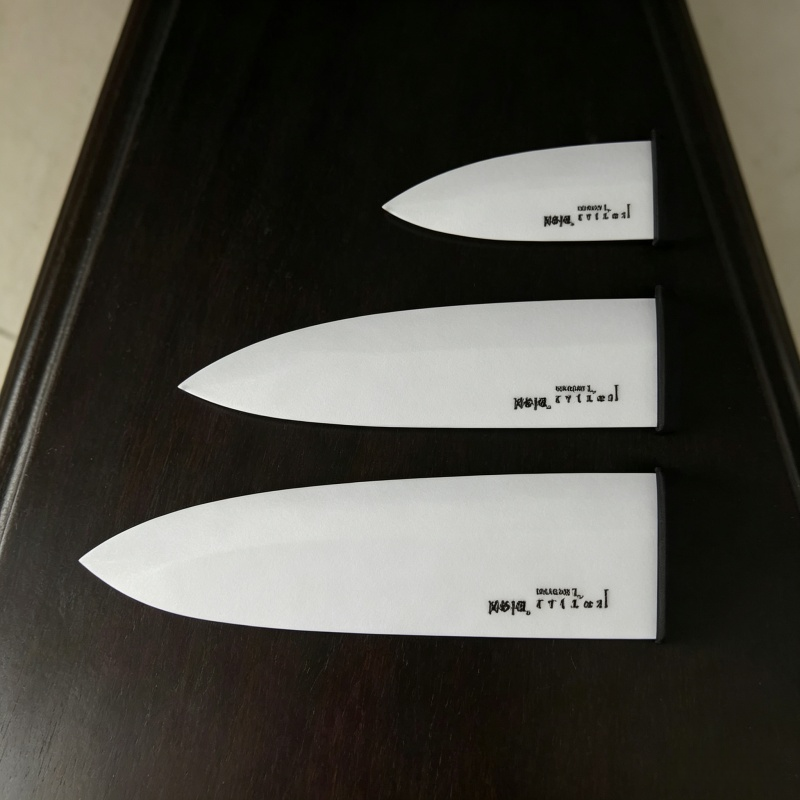 Aluminum
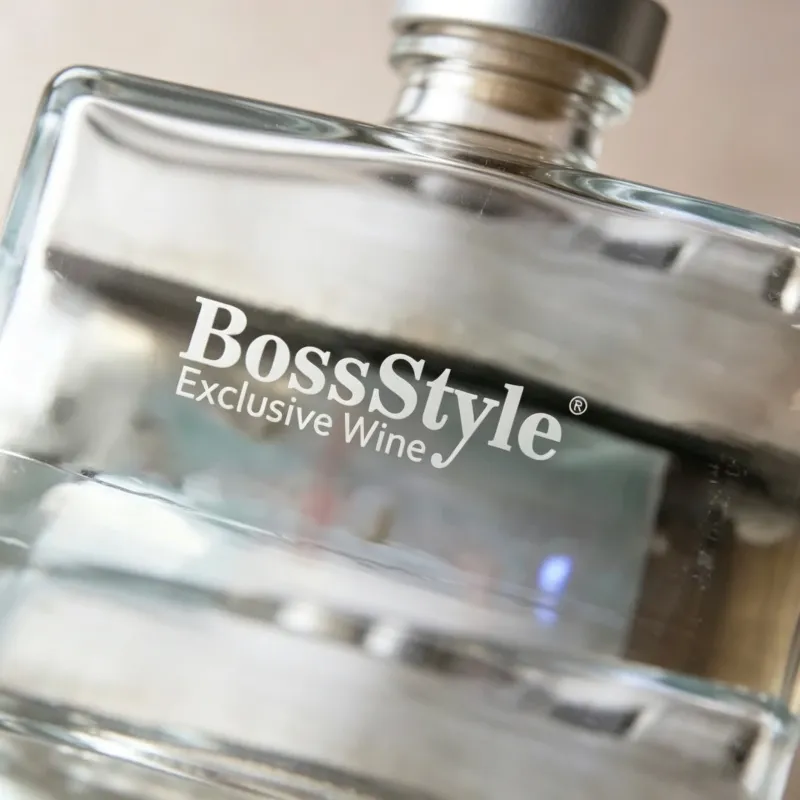 Glass
Glass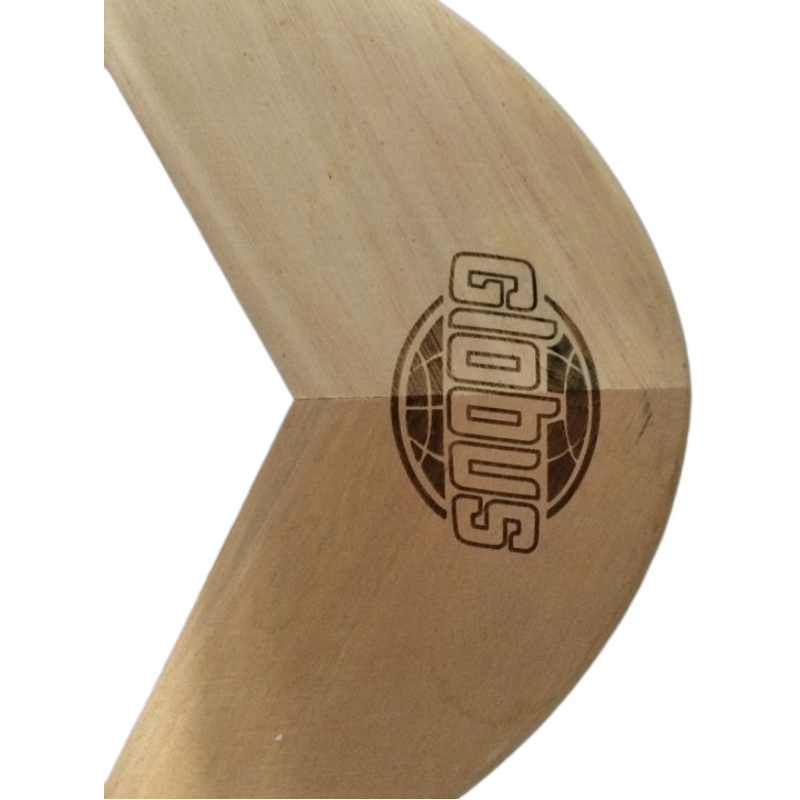 Wood & leather
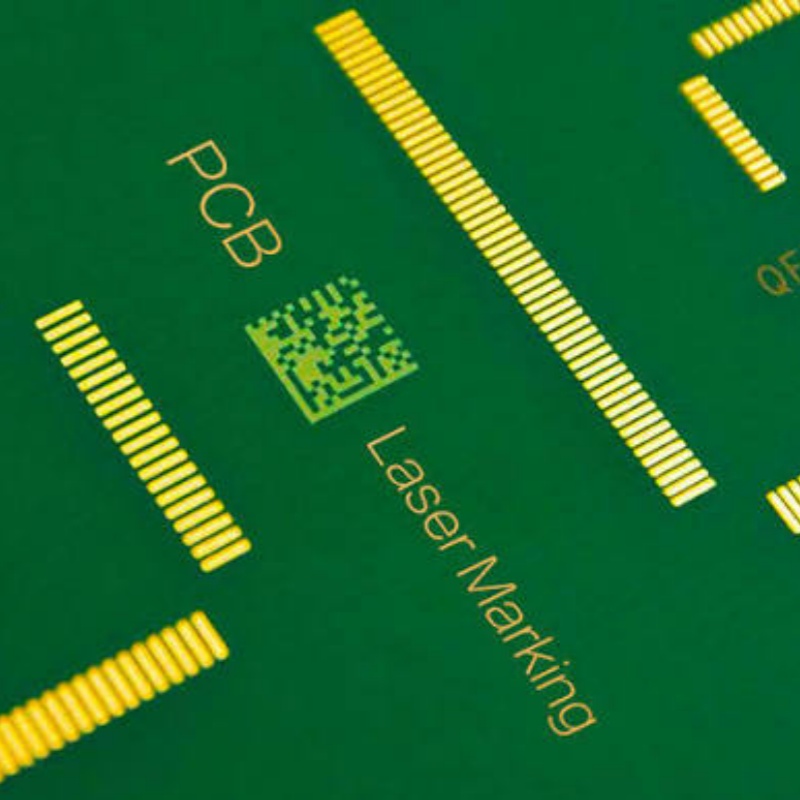 PCB & electronics
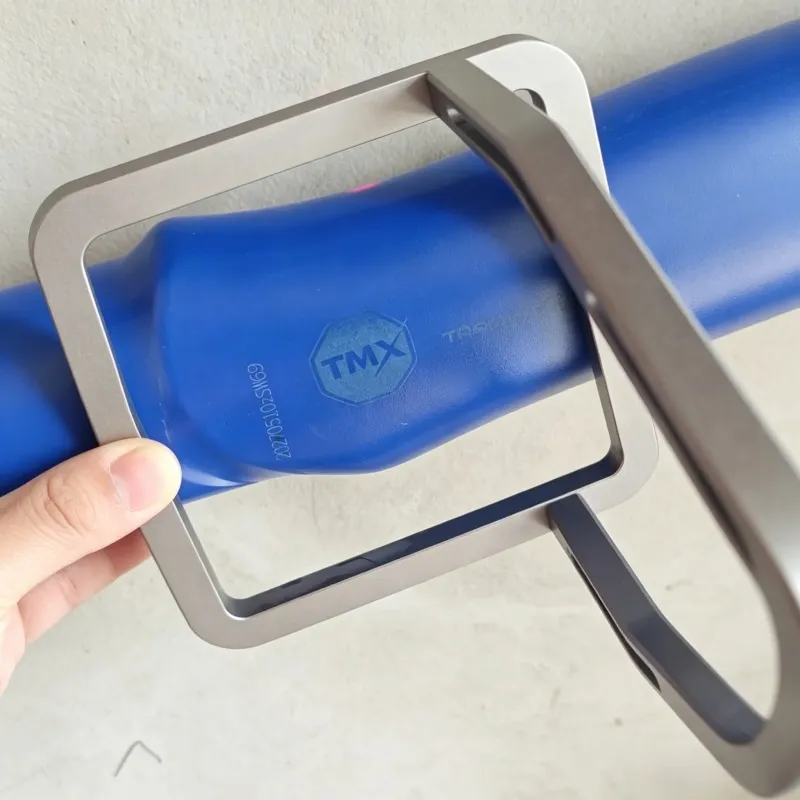 Serial & date codes
Why Topstar
Maker-Backed, Shipped Worldwide
Maker-backed
Factory-direct pricing, sourced straight from the makers we partner with.
CE coverage
CE coverage across the line; certificates available on request.
Worldwide export
Serving the Middle East, South America, Europe, West Africa and Southeast Asia.
Destination compliance
SASO/SABER, GCC and UKCA addressed per market.
Selection Guide
Comparison & Selection Guide
| If you need… | Go to |
|---|---|
| Marking on bare metal — steel, stainless, aluminum, copper | Fiber laser marking |
| Glass, silicon, film and heat-sensitive plastics | UV laser marking |
| Wood, leather, paper, acrylic and packaging coding | CO2 laser marking |
New to laser marking? Start with our how laser marking works overview or the fiber vs CO2 vs UV comparison. Buying & resources: check laser marking machine prices, compare power ratings, or see supplier information.
Get Started
Get a Quote on a Laser Marking Machine
Tell us the material, the mark content and the size it has to hold, and we will recommend the wavelength, the format and the power.