
CO2 Marking & Coding
A sealed CO2 source at 10.6 µm marks and codes non-metals — plastics, glass, ceramics, wood, leather, paper and coated surfaces. Supplied as an in-line flying coder, a desktop cabinet, or a battery-powered handheld unit.
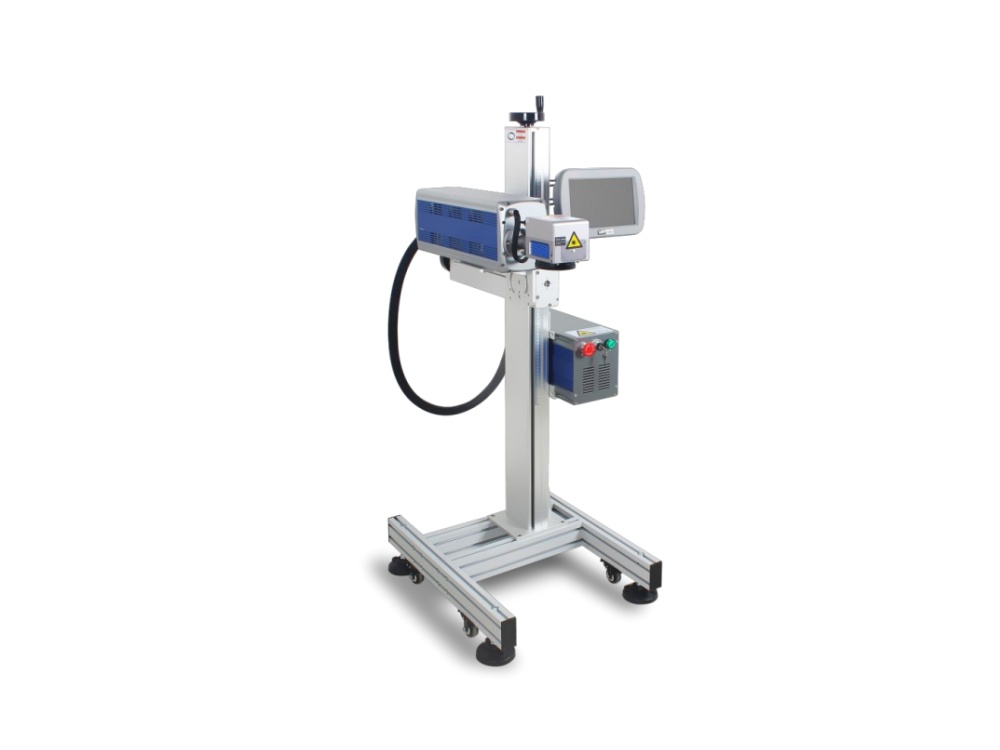
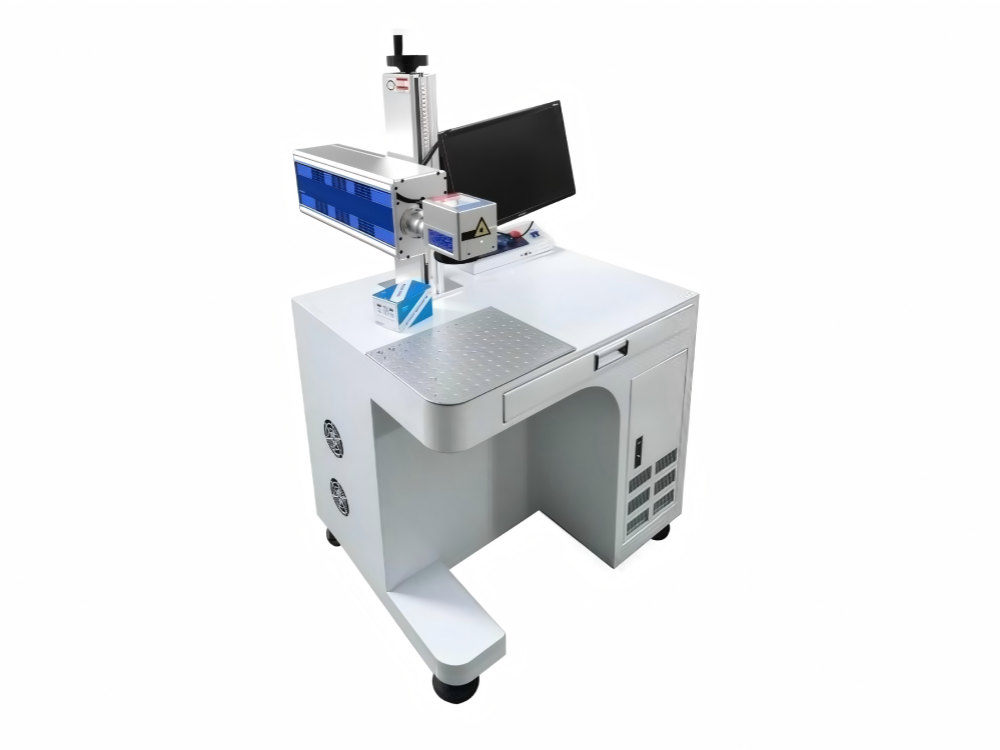
Range
Formats & Power Options
Three formats share the same 10.6 µm sealed CO2 source. Choose by how the part reaches the beam: moving along a line, placed in a cabinet, or too large to move at all.
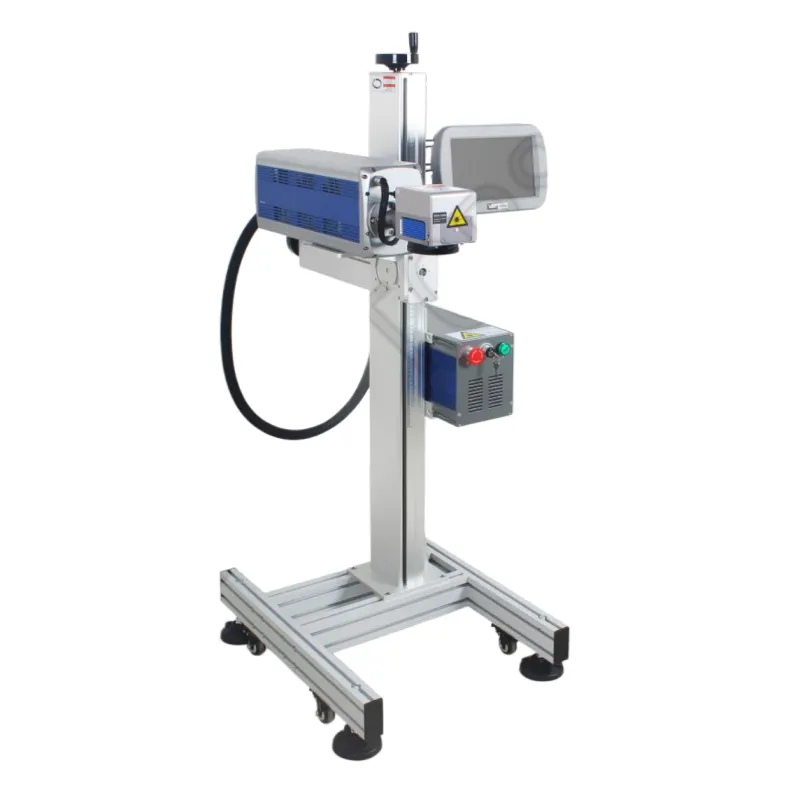
Flying CO2 coder · 30 W / 40 W
In-line coding onto a moving conveyor. All-aluminum body at 60 kg, forced air cooling and a touch-screen flying-marking controller. Field options of 70 × 70, 110 × 110 or 150 × 150 mm; repeatability 0.02 mm.
Desktop CO2 marker · 30 W
A sealed RF CO2 tube in a floor-standing cabinet, 800 × 600 × 1400 mm and about 80 kg. Built-in air cooling, dual red-light auto-focus, a 100 × 100 mm field and marking depth to 0.4 mm.
Handheld CO2 marker · >5 W
A cordless unit on a 24 V lithium battery for 6–8 hours of use. The 7.55 kg head reaches frames, panels and fixed assemblies that will not fit a cabinet, with fields of 100, 150 or 175 mm.
Why CO2
Built for Non-Metal Production
CO2 sits at 10.6 µm, a wavelength most organic and mineral materials absorb readily — which is why it handles substrates a 1064 nm fiber beam passes straight through or scorches.
Plastics, glass, ceramics, wood, leather, paper and coated surfaces take the mark cleanly, with no additive or pre-treatment.
The sealed RF tube is rated for roughly 20,000 working hours, with a 12-month tube warranty on the flying coder.
Air-cooled throughout with no consumables to replace, so the machine holds a full-load shift pattern without a chiller loop.
The handheld format runs from a 24 V lithium battery, so the beam moves to the part instead of the part moving to the machine.
What It Is
What Is a CO2 Laser Marking Machine?
A CO2 laser marking machine generates a 10.6 µm beam in a sealed gas tube and steers it across the part with a galvanometer scan head. Because the beam is absorbed at the surface, the mark forms by localised heating rather than by cutting — leaving a permanent, non-contact mark with no ink, no solvent and nothing to restock. It is the standard route for coding dates, batch numbers, barcodes and QR codes onto packaging, and for engraving graphics into wood, leather, acrylic and glass.
Specifications
Key Specifications & Performance
Figures below cover all three formats. Values are taken from the supplied documentation; field size and power are configured per application.
| Feature | Detail |
|---|---|
| Laser power | Flying coder 30 W or 40 W · Desktop 30 W · Handheld >5 W |
| Wavelength | 10.6 µm |
| Marking field | Flying 70×70, 110×110 or 150×150 mm · Desktop 100×100 mm · Handheld 100, 150 or 175 mm |
| Marking speed | ≤10,000 mm/s |
| Marking depth | Desktop ≤0.4 mm |
| Minimum line width | 0.1 mm |
| Minimum character height | 0.15 mm (desktop 0.3 mm smallest character) |
| Repeatability | Flying 0.02 mm · Desktop ±0.002 mm |
| Cooling | Forced air cooling on all three formats |
| Power supply | 220 V / 50–60 Hz, 500 W · handheld 100–240 V |
| Machine weight | Flying 60 kg · Desktop approx. 80 kg · Handheld head 7.55 kg + control unit 3.1 kg |
| Dimensions | Flying 860×630×1500 mm · Desktop 800×600×1400 mm · Handheld head 565×95×345 mm |
| Control system | Touch-screen flying-marking system · Windows (desktop) · Linux (handheld) |
| Source life | Approximately 20,000 working hours |
| File input | Text, graphics, barcode, QR code and serial number via USB |
Field size, marking depth and achievable contrast depend on the material and on marking time. Machines are configured per application — send a sample specification and we will confirm the working figures.
Applications
Applications & Use Cases
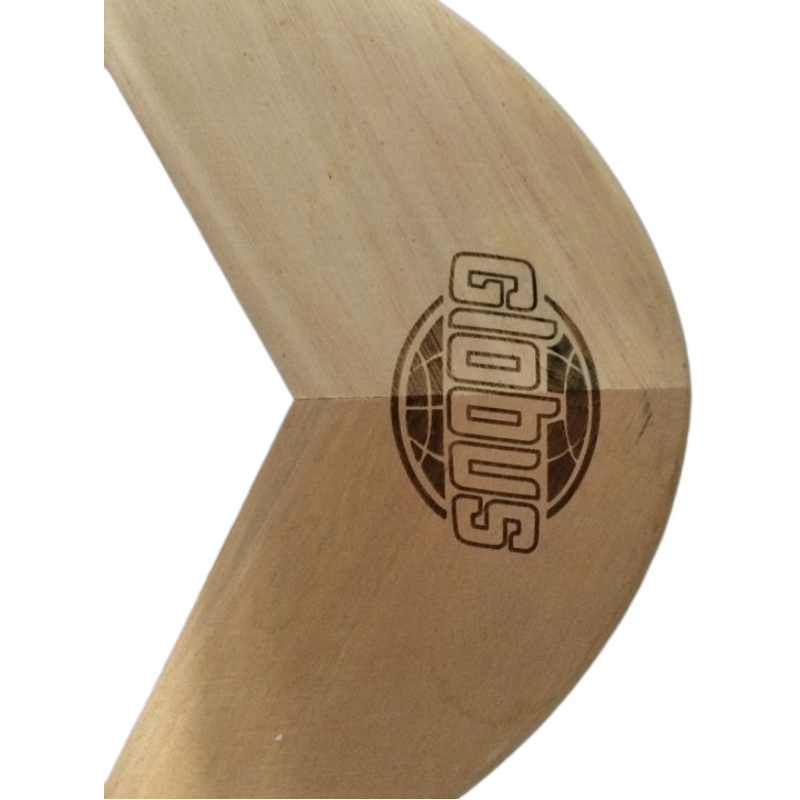
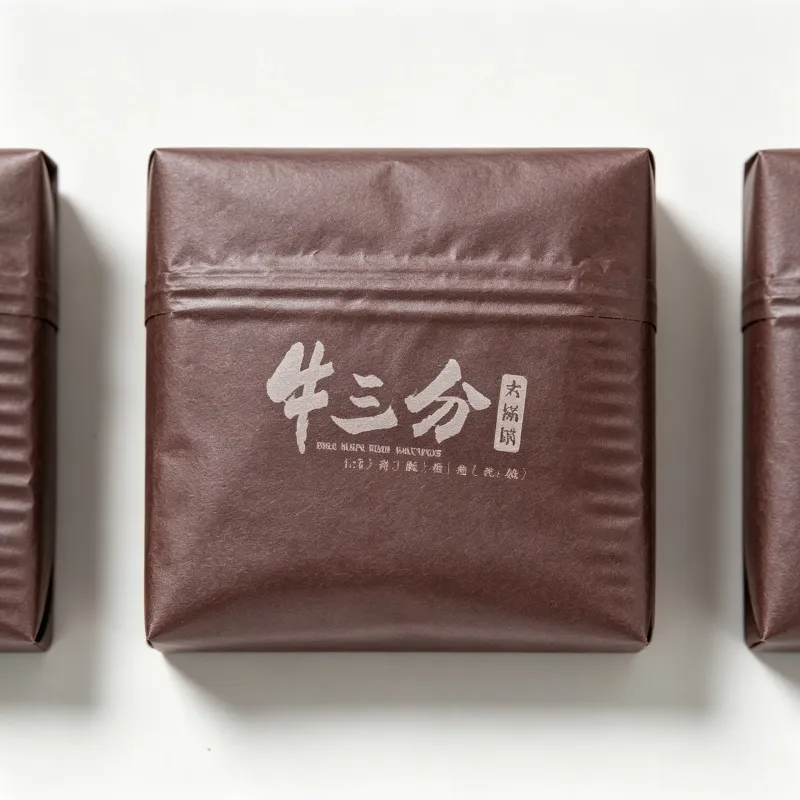
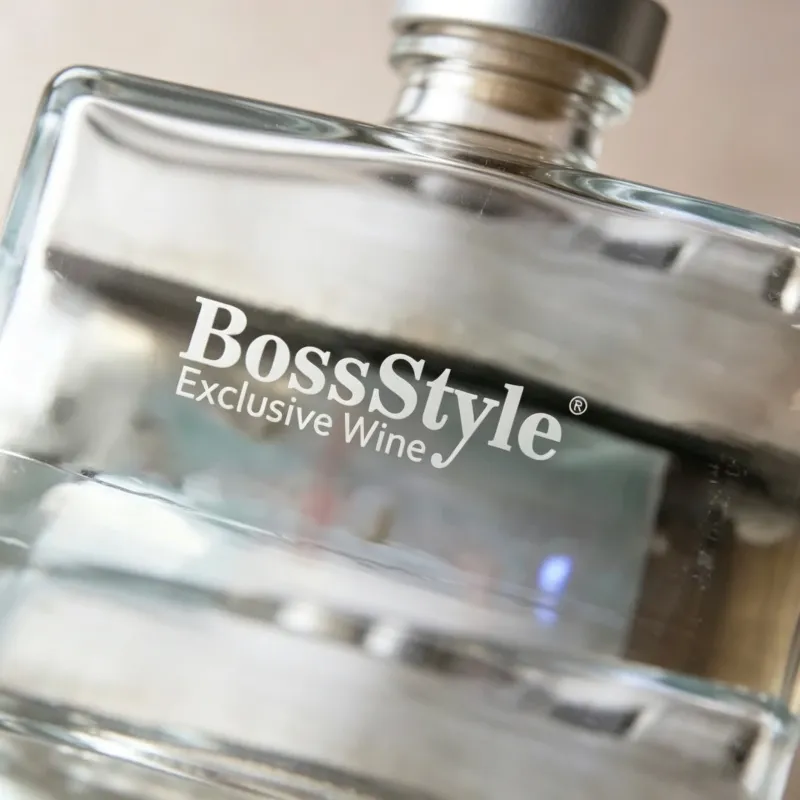
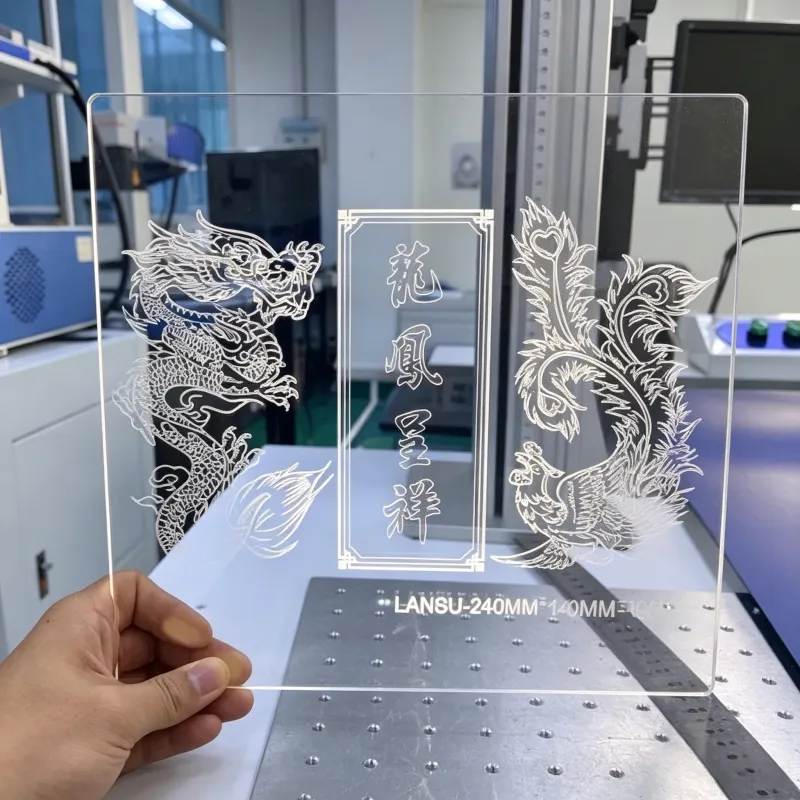
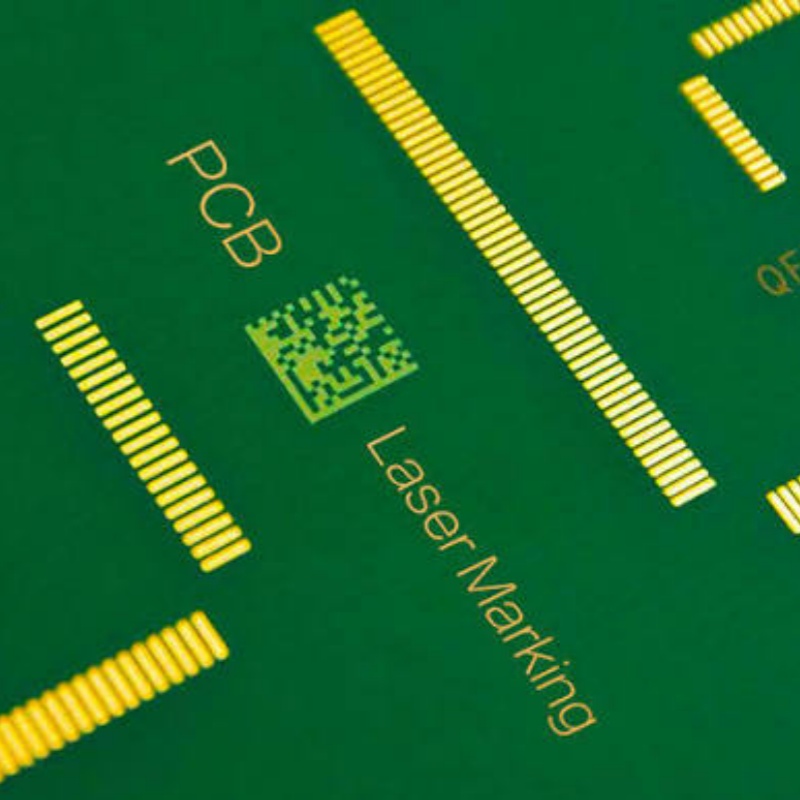
CO2 marking is used wherever the substrate is non-metallic and the mark has to survive handling, washing and shelf life.
Comparison
Comparison & Selection Guide
Three questions decide the format: does the part move, does it fit a cabinet, and how fine does the mark need to be.
Power sets throughput and depth rather than the range of materials it will mark. If you are unsure, send a sample part and a target cycle time.
Compliance
Certifications & CE Compliance
Machines are CE marked, with CE documentation supplied with each shipment.
Installation
On-site or remote on-boarding for your team.
Training
Operator training on setup, file preparation and daily checks.
After-sales
Ongoing support and spare parts, worldwide.
1-Year Warranty
One-year warranty with installation, training and after-sales support.
Get Started
Get a Quote on Your CO2 Marking Machine
Tell us the material, the mark content and your line speed, and we will specify the format, power and field size to match.