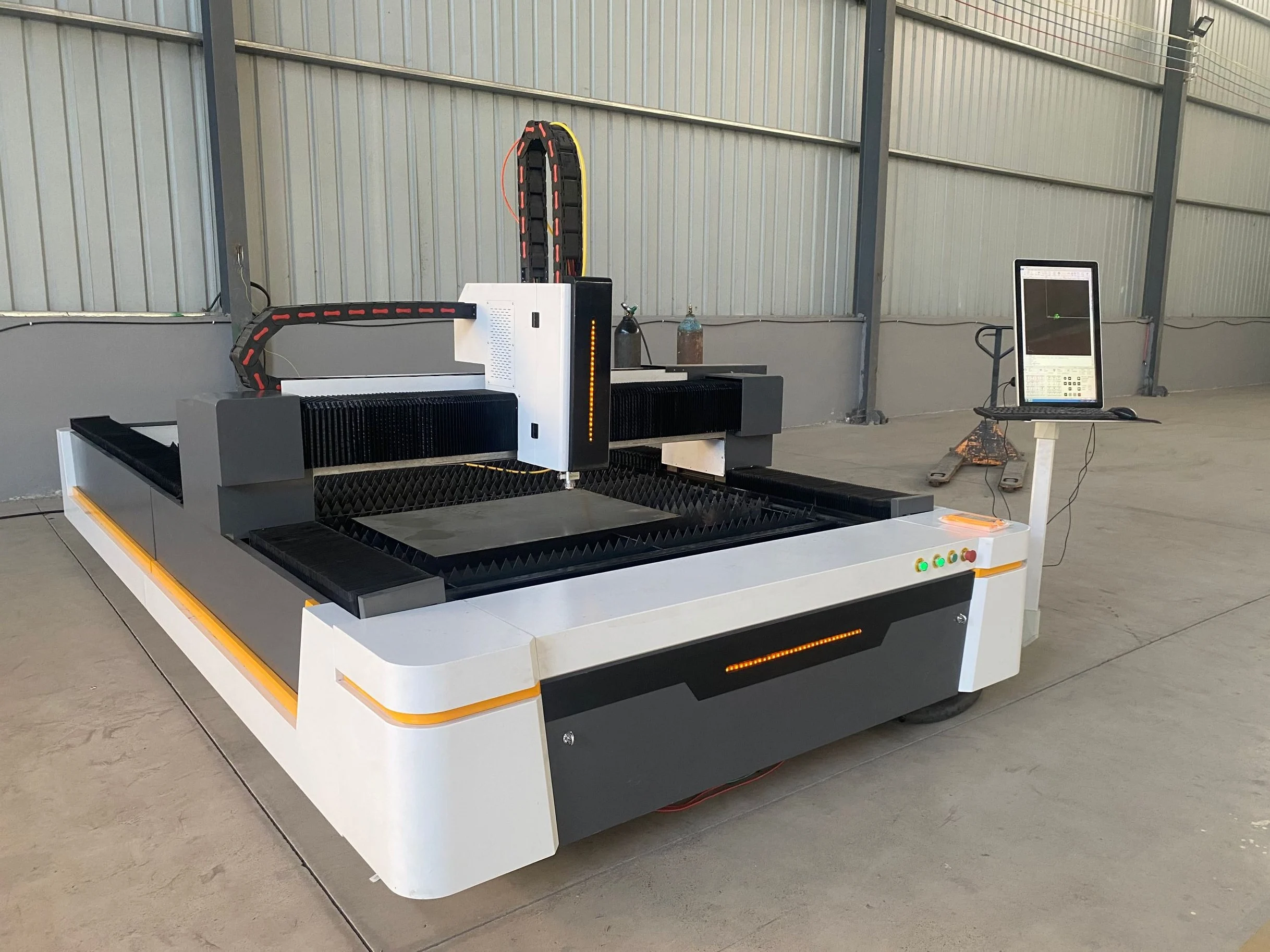
What Is a CO2 Laser Cutting Machine?
A CO2 laser cutting machine generates its beam from a gas tube at about 10.6 microns — a wavelength that non-metal materials absorb well and metals mostly reflect. That makes CO2 the natural tool for cutting acrylic, wood, MDF, leather, fabric, paper, foam, and many plastics, leaving a clean, finished edge in a single pass. For metal you would reach for a fiber machine instead; for the wide world of non-metals, CO2 is the workhorse. This page explains how the process works and how to weigh it up.
Why CO2 for Non-Metals, Fiber for Metal
The choice between the two laser types comes down to how a material responds to the beam. Non-metals absorb the CO2 wavelength and cut cleanly, while metals reflect it — which is exactly why metal cutting uses a fiber laser near 1 micron, a wavelength metals absorb. So the two are not competitors but complements: CO2 owns the non-metal side, fiber owns the metal side. Trying to cut thick acrylic with fiber, or steel plate with CO2, works against the physics rather than with it.
What a CO2 Laser Cuts
| Material | Cuts well? | Notes |
|---|---|---|
| Acrylic | Yes | Flame-polished, clear edge |
| Wood, MDF, plywood | Yes | Clean edge; air-assist controls char |
| Leather, fabric | Yes | Cuts and seals the edge in one pass |
| Paper, card, foam | Yes | Fast, intricate detail, no tooling |
| Some plastics | Varies | A few are excluded for fume reasons — check first |
| Steel, stainless, aluminum | No | Metal reflects CO2; use a fiber laser |
Choosing a CO2 Cutting Setup
Inside CO2, the decision is driven by your thickest material, your typical sheet format, and the edge quality your work demands — not by raw wattage alone. Wattage sets cutting depth and speed; working area sets the largest sheet you can lay down; the optics and air-assist set edge quality, whether that means a flame-polished acrylic edge or controlled char on wood. Match the machine to your material mix rather than to a headline power figure, and remember that any metal in your workflow points to a fiber machine.
Where Topstar Fits
Topstar’s laser cutting line is fiber, built for metal — sheet metal, precision parts, and tube and profile. CO2 non-metal cutting is a different process route, so this page is guidance rather than a product listing. If your parts are metal, start with the fiber pages above. If you need to mark non-metals rather than cut them — codes, logos, or dates on plastic, wood, leather, or glass — a CO2 laser marker (30–40 W) does that, and that is a machine we offer.
Certifications & Compliance: What to Check
For a laser sold into export markets, look for CE marking backed by a technical file and a safety enclosure, prepared before shipment. CE covers the EU; a destination that also requires a SASO or GCC step needs that handled on its own rather than assumed. Confirm the certification scope against your own market before committing to any machine.
Frequently Asked Questions
What does a CO2 laser cutting machine cut?
Non-metals — acrylic, wood, MDF, leather, fabric, paper, foam, and many plastics. For metal you would use a fiber machine instead.
Why CO2 instead of fiber for these materials?
Non-metals absorb the 10.6-micron CO2 wavelength and cut cleanly, whereas they reflect or transmit the ~1-micron fiber wavelength. Fiber is the right tool for metal, which absorbs its beam.
Does Topstar sell CO2 laser cutting machines?
No. Topstar’s cutting range is fiber, for metal. This page explains the CO2 process; for metal cutting see the fiber pages above, and to mark non-metals a CO2 laser marker is available.