
Overview
Sequential codes — serials, VINs, batch and date codes — are the backbone of traceability. Laser marks them automatically, permanently, and in the right order, part after part.
Why Laser Suits Sequential Codes
The marking software generates serial numbers, batch numbers and dates automatically, incrementing each part with no manual entry. Marks are permanent and high-contrast, so a VIN or serial stays legible and scannable for the life of the part. Fiber handles metal VINs and serials; UV and CO2 handle plastics and packaging.
Built to Last
The code is in the surface itself, so it survives heat, oil, abrasion and years of service — a requirement for VINs and regulated traceability.
Specs That Matter
Source matched to substrate, automatic sequencing in software, ±0.002 mm repeat accuracy on fiber, inline (flying) or bench operation.
How Sequential Coding Is Set Up
- Fixture the part (or mount the flying head over the line) and set focus.
- Configure the serial / VIN / date rule and increment in software.
- Mark a sample, verify the sequence and readability, then save the recipe.
- Tie to the line trigger for inline coding, or jig for bench work.
- Run production and log the sequence for traceability.
Applications
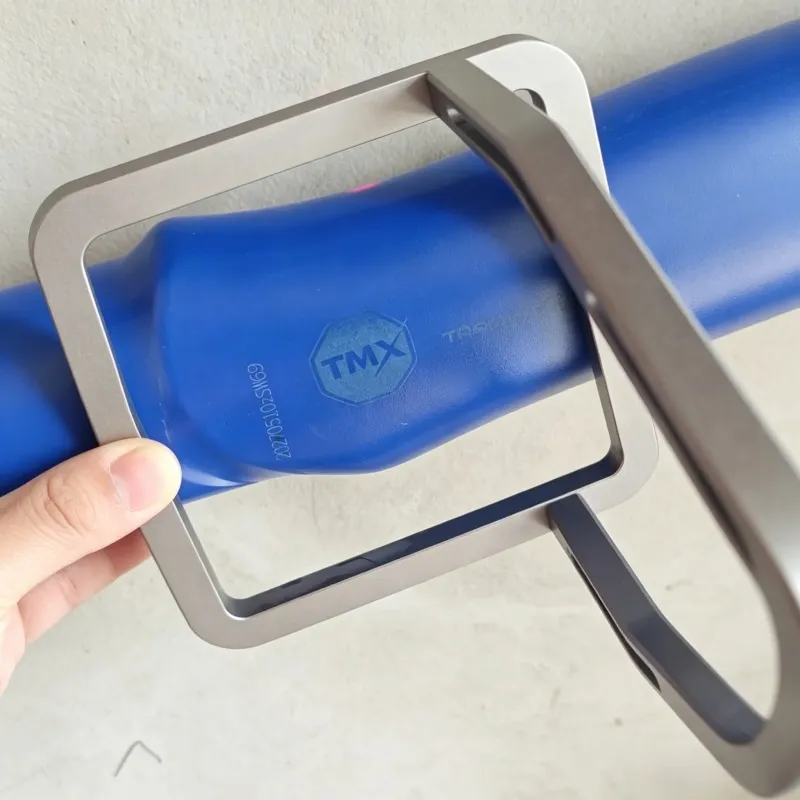
VINs on automotive parts, serials on tools and equipment, batch and date codes on packaging, asset and compliance numbering.
CE Compliance
CE-marked, with conformity documentation available on request. We never claim SASO, SABER, GCC or UKCA we do not hold.
Getting It Right Before You Buy
Send us your part and numbering rule. We mark a sequenced sample, verify it reads, then quote against it.
Request a Quote · Download the Spec Sheet
Explore: QR Code Marking. Related: Metal Marking · Industrial Marking.
1-year warranty; installation, training & after-sales support available.