In short: Laser and TIG welding join metal in very different ways. This guide compares them on heat input and distortion, working speed, how quickly a new operator produces clean seams, finishing work, and cost — so you can match the process to the parts your workshop actually runs.
If you build metal products for a living, the welding question comes up early: stay with TIG, or move to laser? Both join metal by melting it, but they behave very differently in daily production — in heat input, in finishing work, and in how long it takes a new operator to produce clean seams. This guide walks through the practical differences so you can match the process to your parts.
How the Two Processes Differ
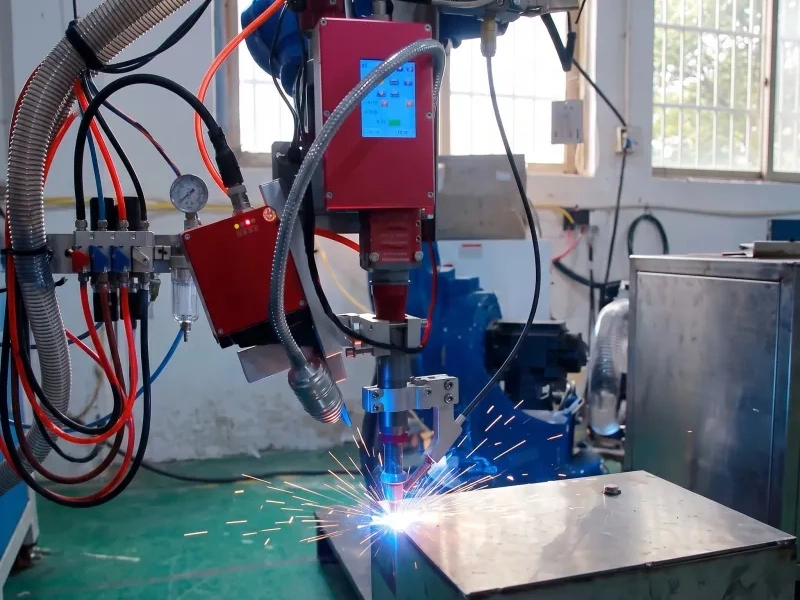
TIG welding (GTAW) strikes an electric arc between a tungsten electrode and the workpiece, with the welder feeding filler rod by hand. It is a mature, versatile process trusted across industries.
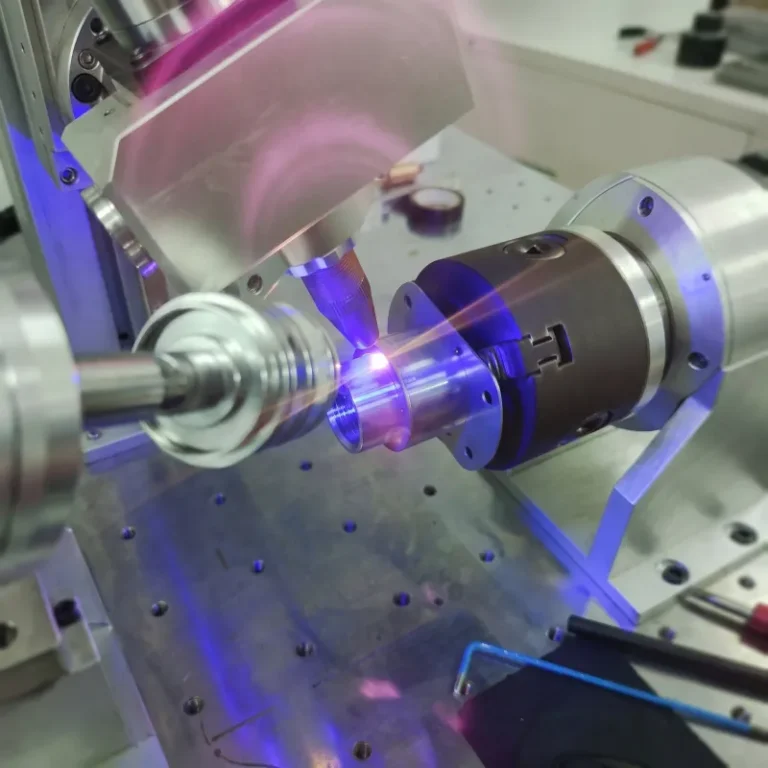
Laser welding instead focuses a beam of light into a very small spot. The energy density is high enough to fuse metal with far less surrounding heat. Modern handheld fiber laser welders add a wobble head that sweeps the beam in a controlled pattern, which widens the seam and makes hand guidance much more forgiving.
Heat Input and Distortion
Because the laser concentrates its energy into a small zone, the heat-affected area around the seam is narrower than with an arc process. On thin stainless or aluminum sheet this matters a lot: parts pull and warp less, and panels that would need straightening after TIG often come off the bench flat after laser welding.
Less heat also means less discoloration. On visible stainless work, that translates into less grinding and polishing before a part can ship.
Speed and Ease of Use
On thin-to-medium sheet, laser welding typically runs noticeably faster than TIG, and the seam usually needs less cleanup afterward — the time saved on finishing is often as important as the time saved on the weld itself.
The skill curve is the other big difference. Producing consistently clean TIG seams on stainless is a craft that takes long practice. Handheld laser welding is considerably more approachable: with proper training on machine settings and safety, operators tend to reach acceptable production quality much sooner.
One caution: a fiber laser welder is a Class 4 laser device. It demands laser-safe eyewear, controlled work areas and disciplined handling — safety training is not optional.
Where TIG Still Wins
TIG remains the better tool in several situations. If your work is occasional repair rather than production, the far lower equipment cost is hard to argue with. TIG also stays flexible for awkward geometry, odd positions and jobs far from a power-stable workshop. And for some specialty alloys and code-governed work, established TIG procedures may already be qualified in your shop.

Quick Comparison
| Aspect | Handheld Laser Welding | TIG Welding |
|---|---|---|
| Heat-affected zone | Narrow | Wider |
| Distortion on thin sheet | Low | Moderate to high |
| Finishing / polishing | Usually light | Often significant |
| Operator learning curve | Short with training | Long |
| Equipment cost | Higher upfront | Low |
| Best fit | Production of sheet-metal parts | Repair work, specialty jobs |
So Which Should You Choose?
Think in terms of volume and materials. If you regularly weld stainless or aluminum sheet and finishing labor is eating your margins, a handheld laser welder is worth a serious look. If your parts repeat in fixtures and you want consistent seams without an operator guiding every pass, an automated laser welding platform takes the process one step further. And if TIG already covers your low-volume repair work well, there is no shame in keeping it on the bench next to the laser.
Not sure which configuration suits your parts? Talk to the Topstar Laser team — send us your workpiece details and we will spec a machine to your application.