In short: Chemical paint stripping takes paint off metal with a stripper that softens or breaks down the coating so it can be scraped, brushed or washed away. On metal parts the stripper is either brushed on as a gel or the parts are soaked in a tank. It needs almost no equipment and reaches into corners a blast nozzle misses, but every job leaves a sludge of spent stripper and paint to dispose of, and a bare surface that must be rinsed, dried and primed before rust sets in.
Where it struggles is scale. Large flat steel, thick multi-coat systems and steady production volumes turn stripping into hours of scraping and drums of waste, and that is the ground a laser cleaner covers better.
How Chemical Strippers Work
A stripper attacks the paint film rather than the metal. Solvent types soak into the coating and swell it until it wrinkles and loses its grip on the surface. Caustic and acid types go further and break down the binder that holds the paint together.
Either way, the stripper needs time on the surface, known as dwell time, and it stops working once it dries out. Wrinkled, blistered paint is the sign the coating has let go. Scrape too early and the softened top coat just smears over the primer underneath; leave it too long on a warm day and the gel crusts over, so painters often lay plastic film over the stripper to keep it wet. Old epoxy, powder coat and heavily baked finishes can need a second application before they come away cleanly.
The Main Types of Stripper
Solvent strippers
These are the familiar brush-on gels. Methylene chloride was long the fastest of them, but it has been withdrawn from consumer sale in the United States and its workplace use has been tightly restricted, so most products now rely on blends built around benzyl alcohol or similar solvents. They are kinder to aluminum and to the person using them, and also slower: a dwell of several hours is common on tough coatings.
Caustic strippers
Hot caustic baths, based on sodium hydroxide, are the workhorse of production stripping. Powder coating lines use them to clean paint build-up off hooks, racks and fixtures, and they handle large batches of steel parts with little labor. They also eat aluminum and zinc, so galvanized steel and aluminum parts must never go into the tank.
Acid strippers
Acid products are kept for specific tough coatings. They work quickly, but left too long they start to etch the steel itself, so they are used with closely watched dwell times.
What Happens to the Metal Underneath
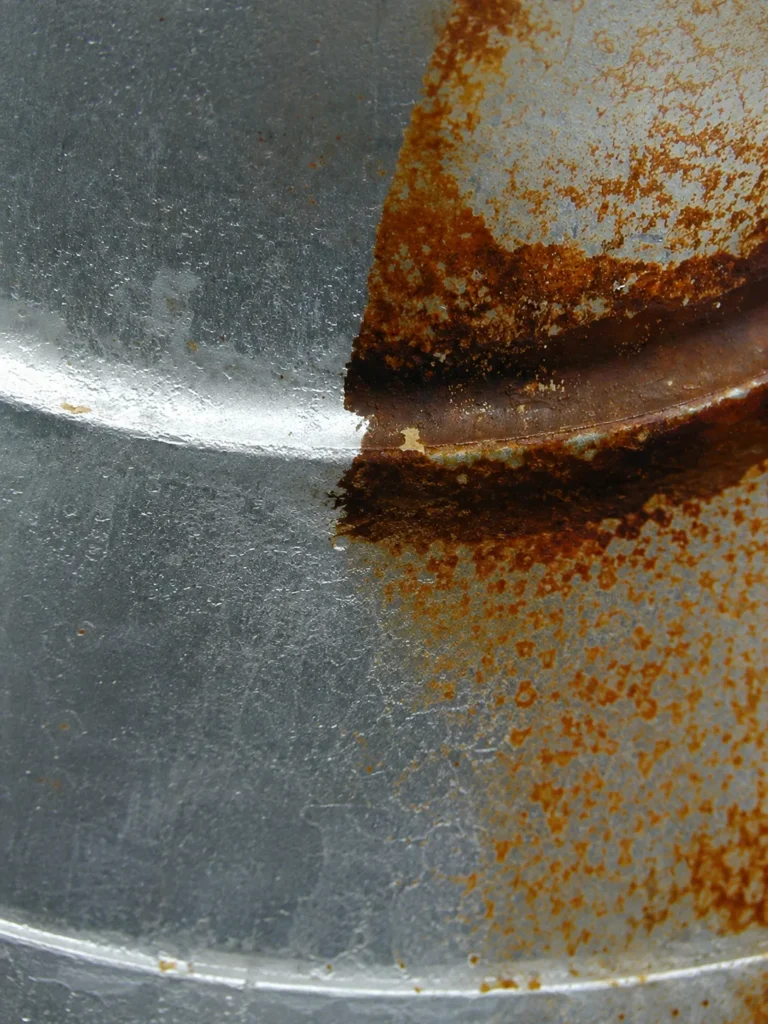
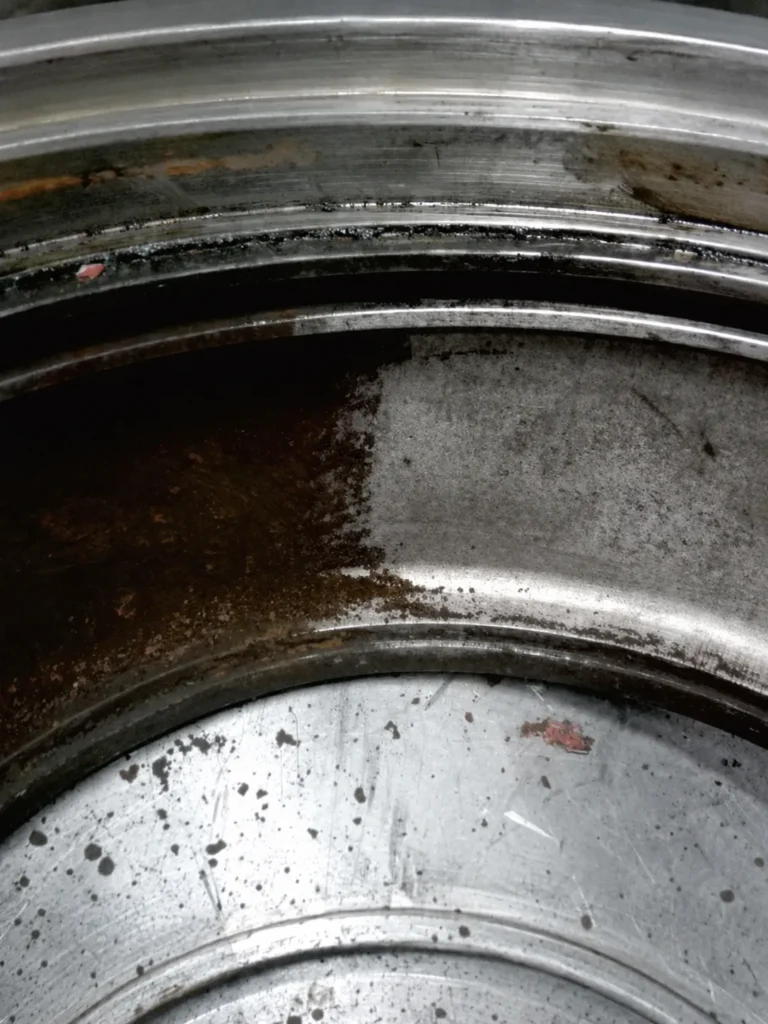
Bare steel straight out of a stripper is as exposed as it will ever be. Once rinsed, it can show flash rust within hours, so the usual routine is to neutralize or rinse as the stripper maker specifies, dry the part completely and get primer on the same day.
Seams, lap joints and spot-welded flanges are where stripping causes trouble later. Stripper wicks into the gap, cannot be rinsed out and seeps back weeks afterward, lifting the new paint in a line along the joint. Shops that strip assemblies flush those joints hard or avoid chemical stripping on them altogether.
Aluminum needs the right product. A solvent stripper sold as safe for aluminum is fine; a caustic one will pit and darken the surface. Testing on a hidden spot first is cheap insurance.
Where Chemical Stripping Still Makes Sense
Complicated shapes are its strength. Stripper flows into recesses, threads, perforations and the inside of tubes that no nozzle or beam can see. Thin or soft parts that would warp or wear under abrasive blasting come through without mechanical damage, and a small job needs nothing more than a brush, a scraper and protective gear.
Dip tanks earn their place where the parts are cheap and endless, such as the hangers on a powder coating line, and where nobody minds parts coming out wet.
The Costs Beyond the Can
The stripper itself is rarely the expensive part. Labor is: applying, waiting, scraping, a second coat, more scraping, then rinsing. Spent stripper mixed with old paint has to be collected and disposed of as chemical waste, and old coatings that contain lead or chromate turn the whole lot into hazardous waste. Ventilation, gloves, eye protection and the time spent neutralizing and drying all sit on top.
When to Switch to a Laser
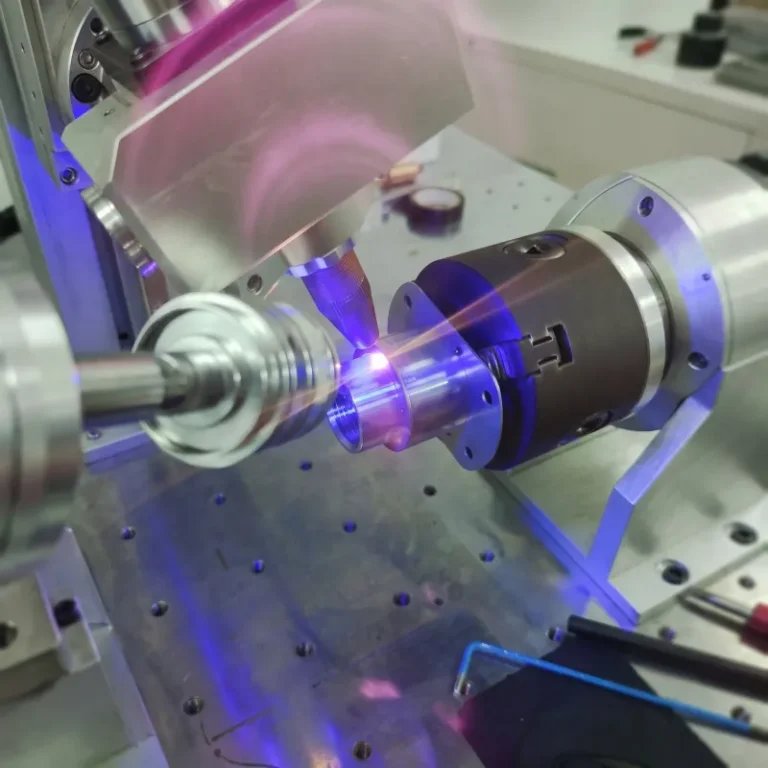
Large flat steel surfaces, multi-coat systems and repeat work are where a laser cleaner overtakes a stripper. Our laser paint removal machines page sets laser, chemical stripping and sandblasting side by side; the short version is that the beam leaves no liquid waste and no wet surface, and it can stop at the primer if you want to keep it.
On throughput, the 6,000 W handheld model in our continuous laser cleaning machine range strips paint at roughly 30 to 60 m² per hour, depending on the coating and how thick it is. For a fabrication shop, that can turn a panel that would take a morning of scraping into a job of minutes, with the surface dry and ready for primer as soon as the beam passes.
Old, heavily repainted steel is where the gap is widest. The same 6,000 W model is rated to remove paint systems five or more coats deep, the kind of build-up that sends a chemical stripper back for a second and third application.
A laser does need line of sight, so blind cavities and the inside of tubes stay a job for chemistry or another process. If you are weighing the switch, tell us the substrate, the coating and the area you strip each month, and we will say which parts a laser would handle and which are better left to the tank. Describe the coating to us
Common Questions
Is chemical paint stripping safe for steel?
Yes, as long as the stripper is rinsed or neutralized as the maker specifies and the bare steel is primed before it can rust.
Can you use paint stripper on aluminum?
Use a solvent stripper labeled as safe for aluminum. Caustic strippers attack aluminum and leave it pitted and dark.
How long does a chemical paint stripper take to work?
Anything from a quarter of an hour to overnight. It depends on the stripper, the type and thickness of the coating, and the temperature, so check a small area before committing the whole surface.
How do you neutralize paint stripper on metal?
Follow the rinse the maker specifies: water for most water-rinsable gels, a solvent wipe for others. Work the rinse into seams and holes, dry the part completely with compressed air or heat, and prime the same day.
Is laser paint removal faster than chemical stripping?
On large flat steel and on thick multi-coat systems, usually yes, because there is no dwell, scraping or rinsing. On small parts with deep recesses, a dip tank can still be quicker.
Related
Equipment
Further reading
Get in touch
- Describe the coating to us, the substrate and the area you strip each month.