In short: Fiber and CO2 lasers sit in different parts of the spectrum, and materials decide between them. Metals absorb a fiber beam readily; acrylic, wood and textiles favour CO2. This guide walks through absorption, edge quality, upkeep and reflective metals — and ends with a simple way to read your own material mix.
Buyers often ask which cutting laser is better. The more useful question is what you cut most weeks of the year. Fiber and CO2 lasers are both mature, reliable processes, but they deliver light of very different character, and materials respond to that difference in ways that decide the job for you.
Two Very Different Kinds of Light
A fiber laser generates its beam inside a doped optical fiber and delivers near-infrared light. A CO2 laser excites a gas mixture inside a sealed tube and delivers light much further down the infrared range. Neither is a refinement of the other. They sit in separate parts of the spectrum, and that is the root of every practical difference below.
What matters on the shop floor is absorption. Metals take in near-infrared light readily, so a fiber beam couples into steel, stainless and aluminium efficiently. Organic and mineral materials behave the opposite way: they absorb the longer CO2 wavelength well while reflecting or scattering much of a fiber beam.
If You Cut Metal
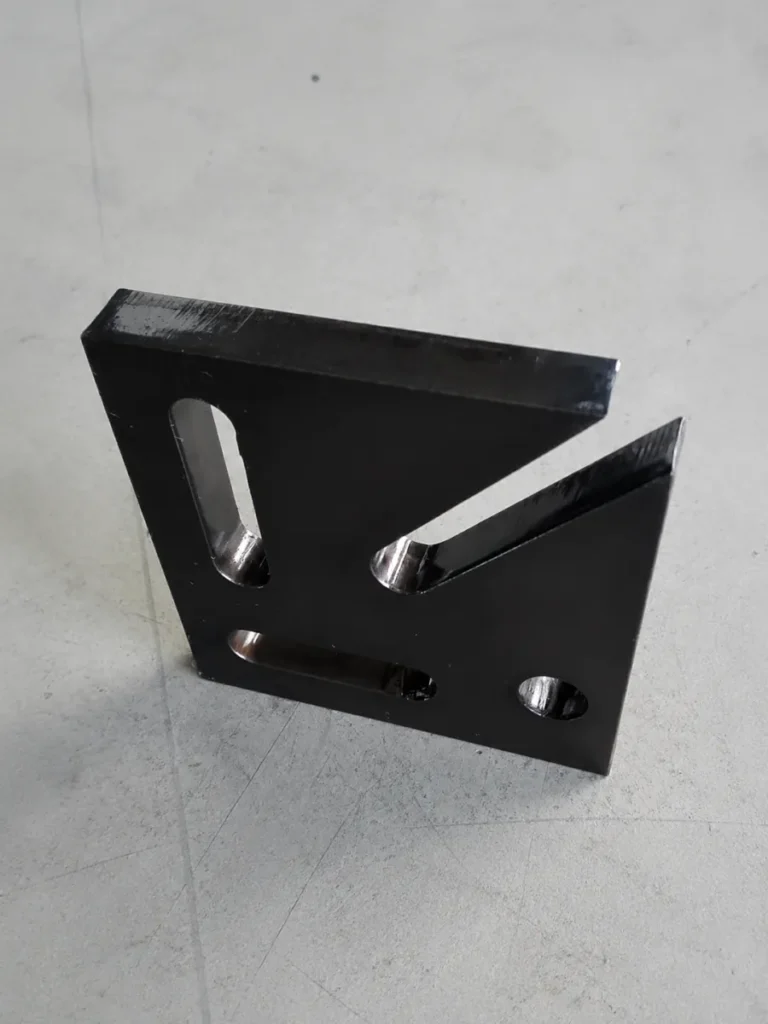
For sheet and tube work, fiber is the straightforward answer. The beam couples into the metal instead of bouncing off it, which is what makes reflective materials such as copper and brass workable rather than risky. Thin and mid-range sheet moves quickly, kerf stays narrow, and the heat-affected zone along the edge stays tight, so parts come off the bed closer to finished.
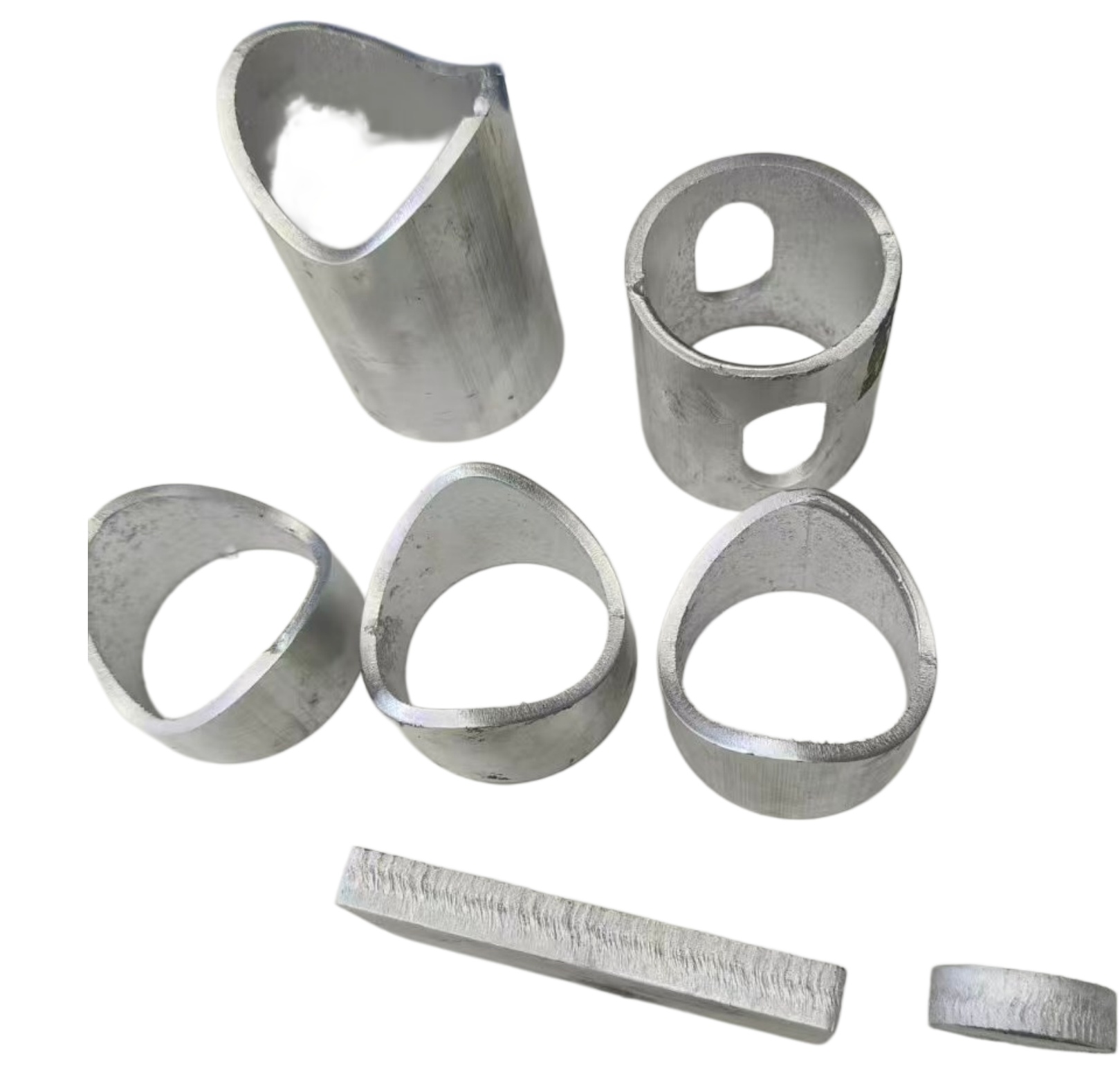
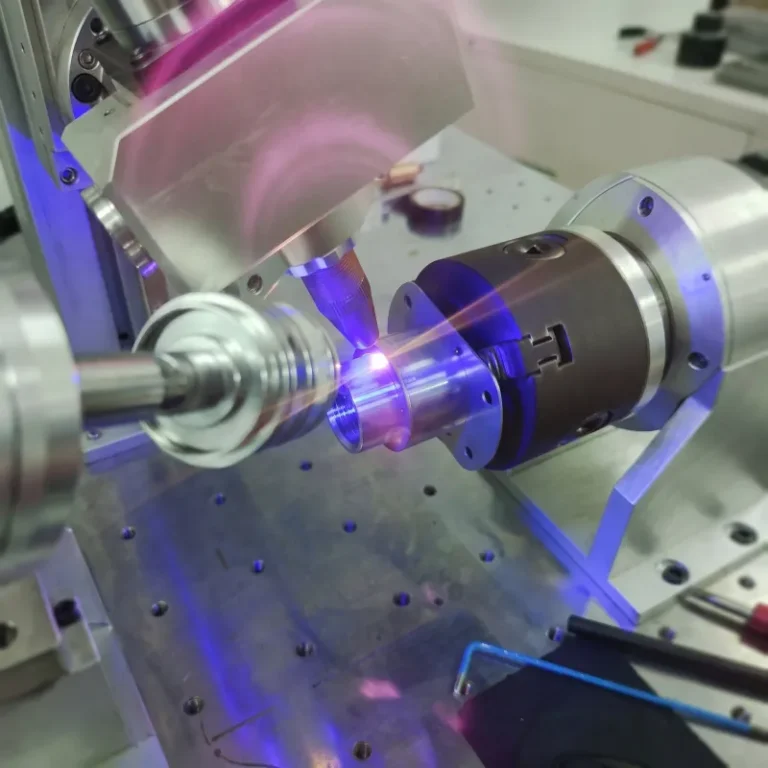
Fiber also suits tube and profile cutting, where the head has to follow a rotating workpiece and hold focus through changing geometry. If your order book is brackets, frames, enclosures, railings or structural tube, this is the process built for it.
If You Cut Acrylic, Wood or Textiles
Here CO2 keeps a real advantage, and it is worth being plain about that. Acrylic cut with a CO2 beam comes off with a polished, flame-finished edge that needs no secondary work — a result a fiber beam simply cannot reproduce on that material. Wood, leather, paper, fabric and many foams behave the same way: they absorb the longer wavelength cleanly and cut with less charring.
Running Cost and Upkeep
A fiber source is solid state. There is no gas mixture to top up in the resonator, and the beam travels to the head through fiber rather than a chain of aligned mirrors, so there is no mirror path to keep in alignment as the machine ages. Assist gas is still needed at the nozzle, and optics at the head still need routine care, but the maintenance list is shorter and less alignment-sensitive.
CO2 systems carry the resonator gas, the tube itself as a wear item, and the mirror path. That is manageable and well understood, but it is real recurring work, and it belongs in any honest comparison of ownership cost.
Reading Your Own Material Mix
The decision usually resolves quickly once you look at a year of jobs rather than a single quote:
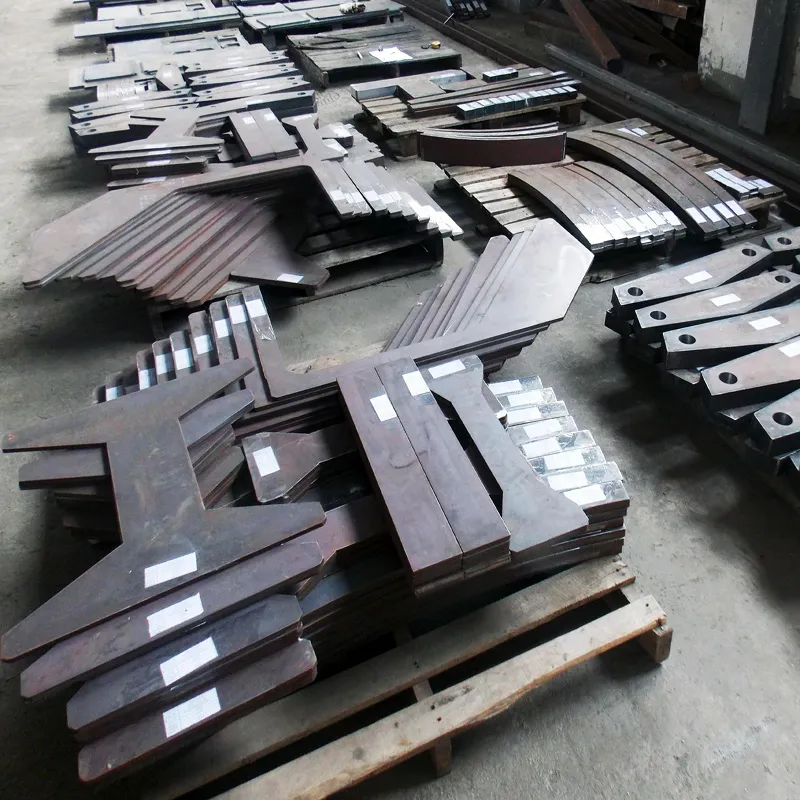
- Almost all metal, in sheet or tube form — fiber, without much debate.
- Almost all acrylic, wood or textile — CO2, and a fiber machine would be the wrong purchase.
- Mostly metal with occasional non-metal work — fiber for production, and subcontract or keep a small dedicated machine for the rest.
- A genuine even split — two processes, because one machine covering both means accepting a compromise on whichever side matters more.
Reflectivity deserves one extra note. If copper, brass or bright aluminium appear regularly in your mix, that pushes the answer toward fiber more firmly than sheet thickness alone would suggest.
Where to Take It Next
Topstar is maker-backed and supplies factory-direct fiber cutting systems for metal sheet and tube, configured to the parts you actually run rather than to a catalogue default. If you want to go deeper on process choice, our laser versus plasma comparison covers the other question buyers raise most often, and the laser cutting machine overview sets out the configurations available. For a view of how process choice plays out in joining rather than cutting, see our look at laser welding versus TIG.
Send us the material, the thickness range and a drawing of a typical part, and we will tell you plainly whether fiber is the right fit — including when it is not.