In short: Sandblasting strips by impact; laser cleaning lifts contamination with light and leaves the base metal largely untouched. The deciding points are substrate protection, consumables and containment, and whether the work is precision repeat production or large rough structures. This guide covers where each process genuinely wins — and where it does not.
Sandblasting has stripped rust and coatings for generations, and it still does the job well. Laser cleaning arrived at the same problem from a different direction. Understanding where each one belongs is less about which technology is newer and more about what the part can tolerate and what the process leaves behind.
Two Different Mechanisms
Sandblasting is mechanical. Abrasive media is driven at the surface under pressure, and the impact chips away rust, scale or paint. The result depends on choosing the right media for the job: grit shape, hardness and pressure all have to be balanced against the substrate underneath.
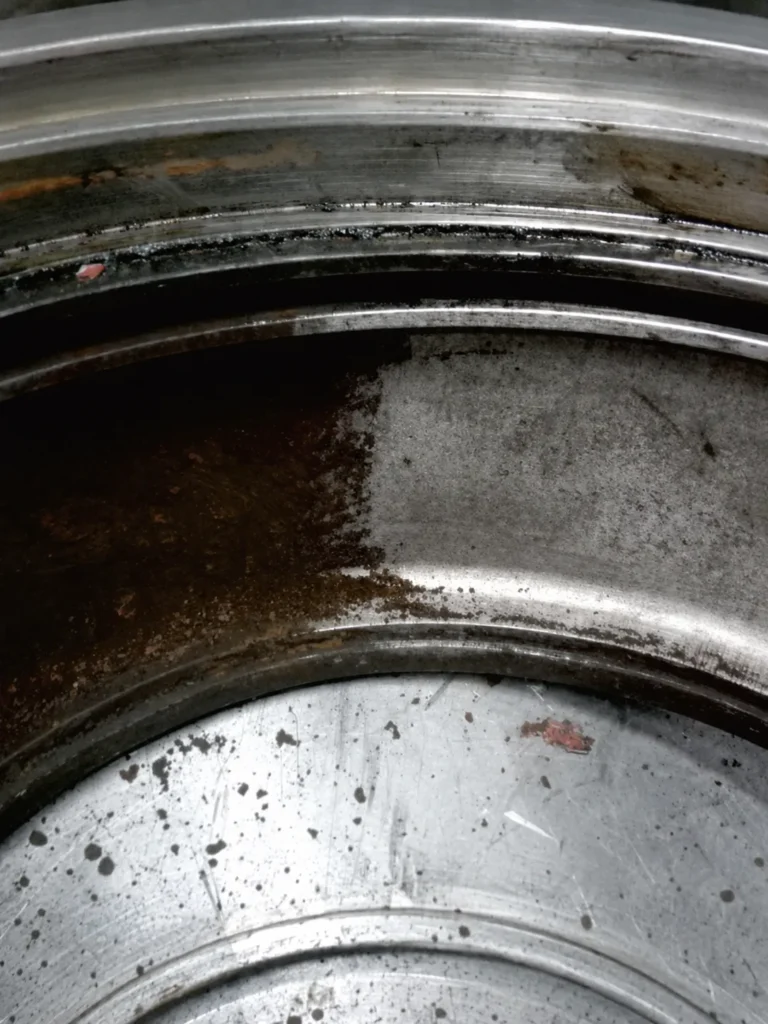
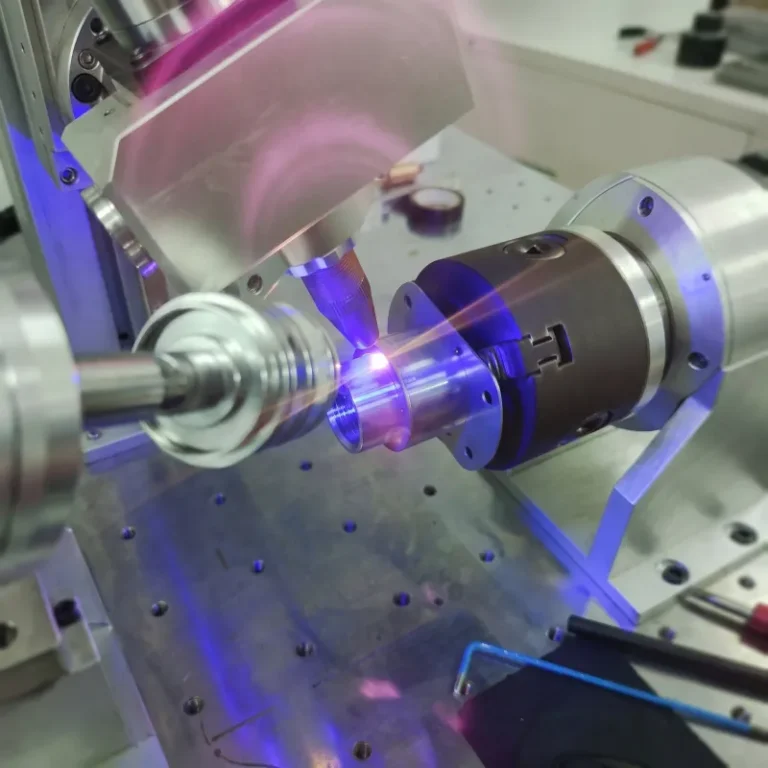
Laser cleaning is optical. A pulsed beam is absorbed by the contamination layer, which heats and lifts away, while the reflective metal beneath absorbs comparatively little. Nothing physically strikes the part. Once the contaminant is gone, there is little left for the beam to act on, which gives the process a natural stopping point that abrasive blasting does not have.
What Happens to the Substrate
This is usually the deciding point. Blasting removes material along with the coating, and it changes the surface profile — sometimes helpfully, when a rough anchor pattern is wanted before repainting, and sometimes destructively, on thin sheet, precision seats, threads or a machined datum you need to keep.
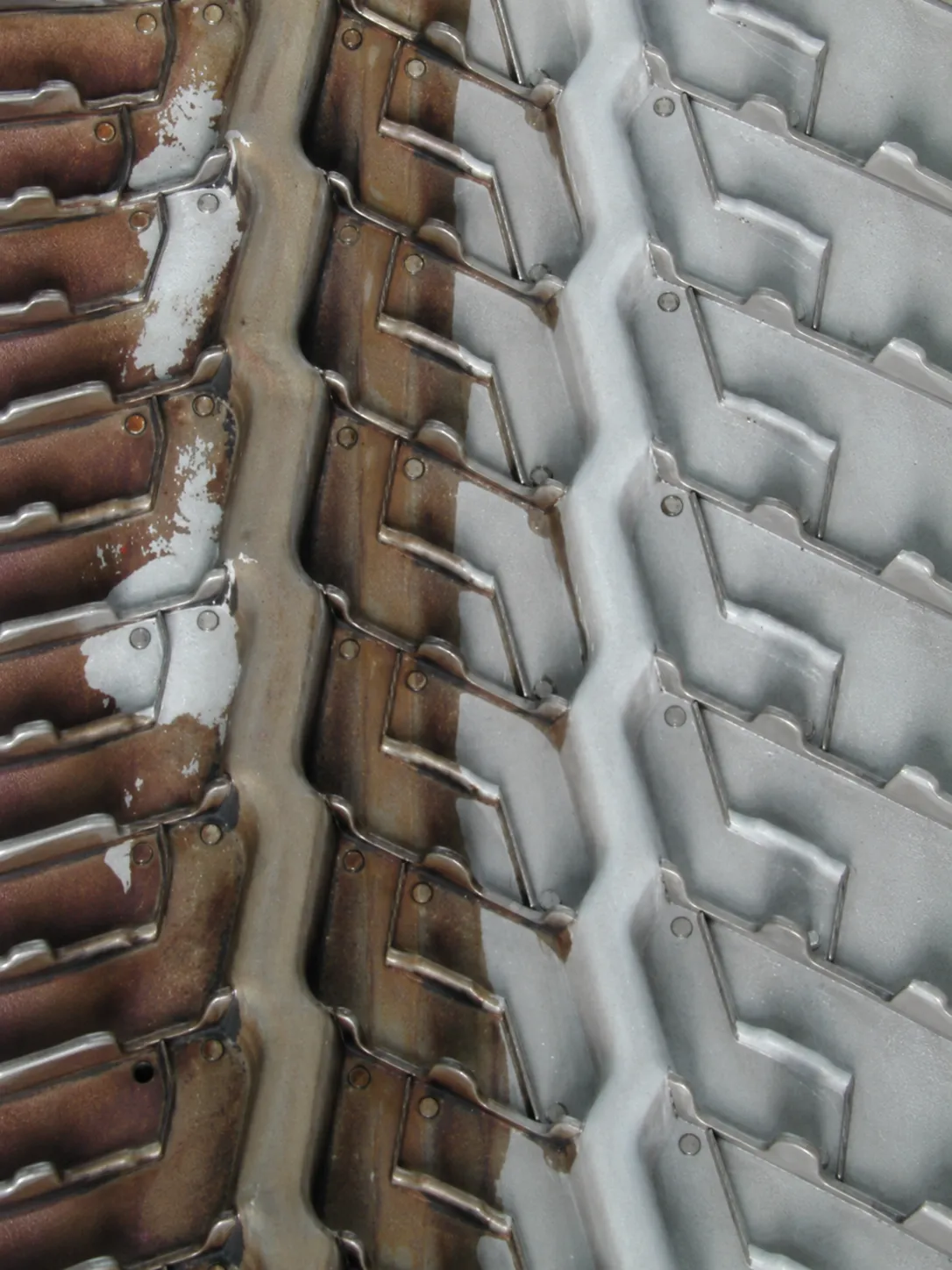
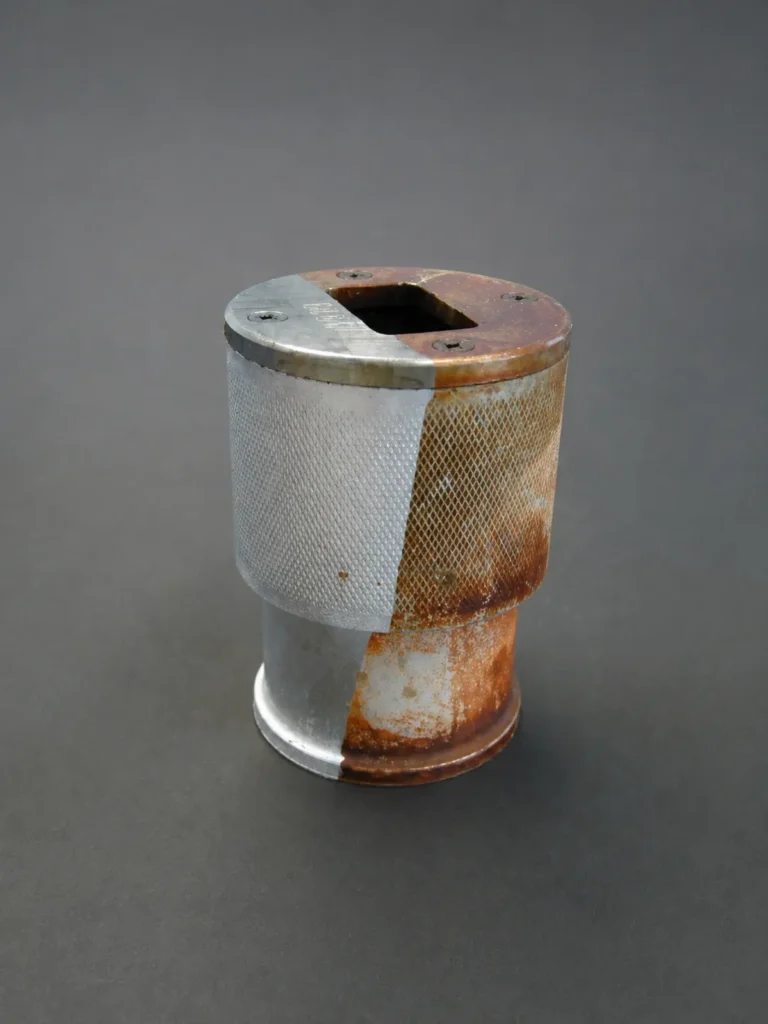
Laser cleaning is far gentler on the base metal, which is what makes it viable on thin-walled parts, weld seams to be prepared before joining, moulds that must keep their dimensions, and heritage or high-value components where a blasted finish would be unacceptable. It also allows selective work: a defined strip can be cleaned while the material beside it is left untouched, which is difficult to achieve with a nozzle and loose media.
Consumables and Containment
Blasting consumes media continuously, and that media has to be stored, fed, recovered and eventually disposed of. Spent abrasive mixed with removed coating often counts as controlled waste, which is a cost and an administrative burden rather than just a nuisance. The process also needs containment — a cabinet, a booth or sheeting — because loose media travels.
Laser cleaning uses no media at all. The residue is the removed contaminant itself, captured by extraction at the head, which makes the waste stream small and easy to handle. Ongoing consumption is essentially electricity plus routine care of the optics. The trade is at the start rather than over time: the equipment cost is higher up front, and the payback comes from consumables and labour that are no longer spent.
Where Each One Still Wins
Blasting remains the better tool for large civil structures, heavily corroded castings, thick weathered steel and any job where a rough profile is wanted before coating. When the area is vast and the substrate is robust, media does the work economically.
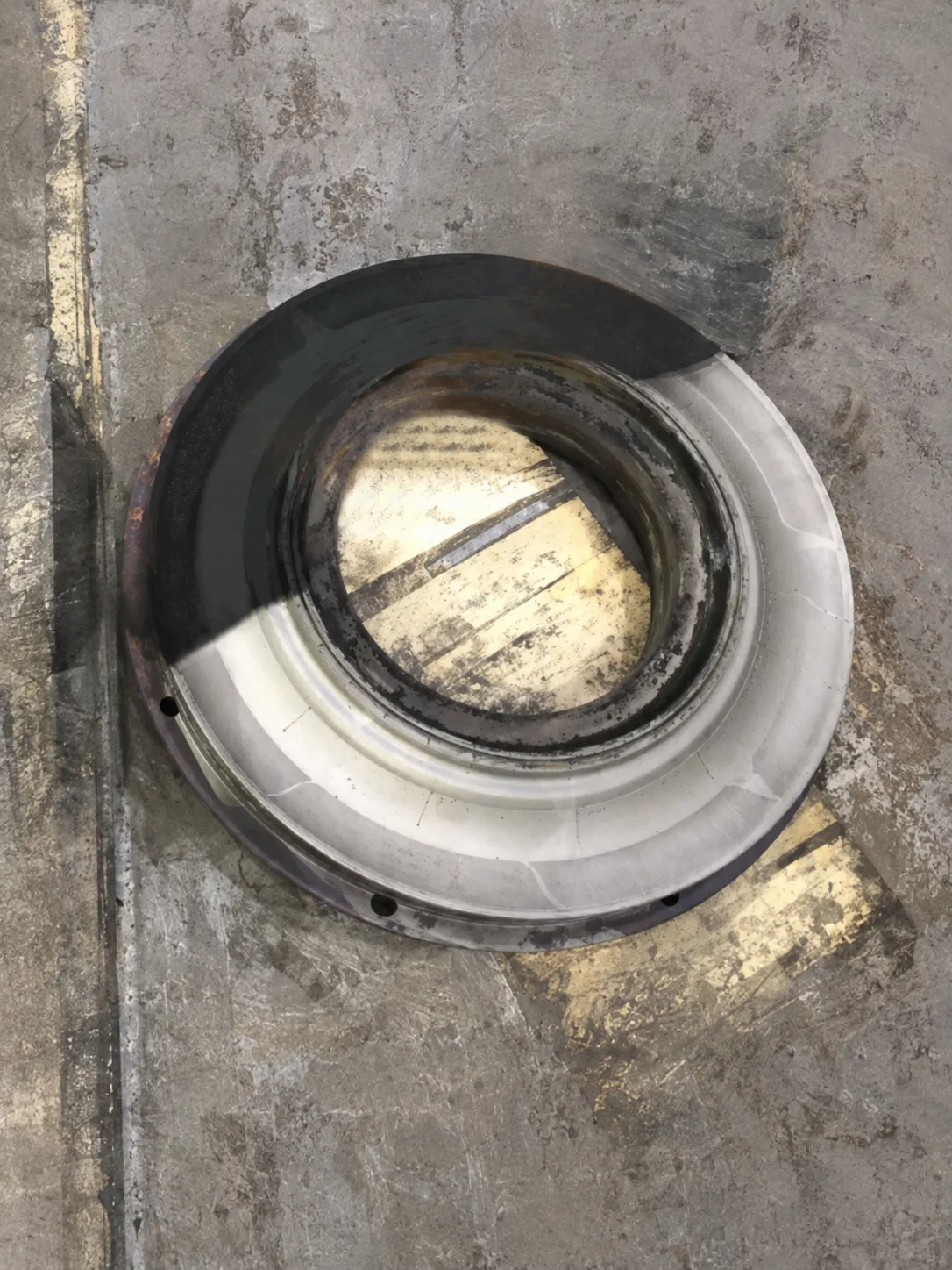
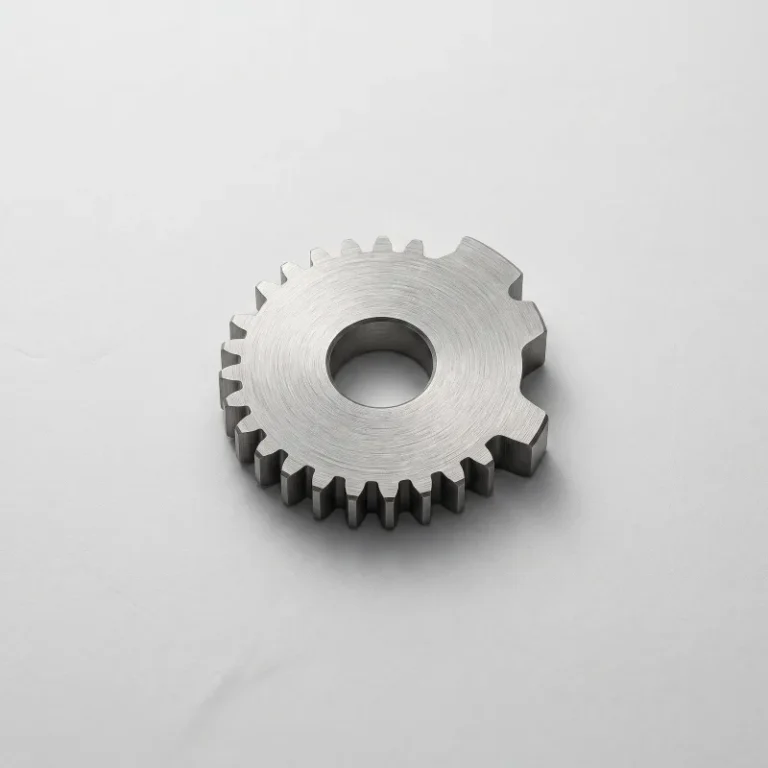
Laser cleaning fits precision work, repeat production, weld preparation, mould and tool cleaning, and any setting where dust containment or substrate protection matters. It also suits work carried out in an occupied space, since there is no media spray to isolate.
Safety Reads Differently
Neither process is casual. Blasting demands respiratory protection against airborne dust and, depending on the coating being removed, may fall under strict handling rules. Laser cleaning removes the dust exposure but introduces optical hazard: enclosure or proper eyewear is mandatory, and extraction is needed for the fume the process lifts off the surface. The controls are different in kind, not lighter in weight.
Choosing for Your Own Parts
Ask three questions. Does the substrate need to keep its dimensions and finish? Does the work happen repeatedly on similar parts, or once on a large structure? And can you accommodate loose media where the work takes place? Answers pointing toward precision, repetition and confined space point toward laser.
Topstar is maker-backed and supplies factory-direct laser cleaning systems in pulsed, continuous and UV configurations, spec-ed to the substrate and the contaminant you are dealing with rather than sold as a single default. Our cleaning process overview walks through how removal actually proceeds, and the substrate safety notes cover what the beam does and does not do to the material underneath. The full range sits on the laser cleaning machine page.
Send a photo of the part and tell us what is on it. We will say honestly whether laser is the right route or whether blasting still serves you better.