In short: Fiber marks metal through heat; UV cold-marks plastics, glass, film and cable without damaging them. If your parts are heat-sensitive, the price gap between the two sources stops mattering, because the cheaper one cannot do the job. This guide shows how to choose by material — and why samples beat data sheets.
When buyers compare marking lasers, the fiber source is almost always the cheaper line on the quotation, and it is easy to stop the comparison there. That works out fine if you mark metal. It works out badly if your parts are plastic, glass or anything that will not tolerate heat, because the two sources do fundamentally different things to a surface.
Heat Marking and Cold Marking
A fiber laser marks with near-infrared light. Metal absorbs it well, the surface heats locally, and the mark forms through annealing, oxidation, etching or engraving depending on how the beam is applied. It is a thermal process, and the result is durable precisely because it changes the metal itself.
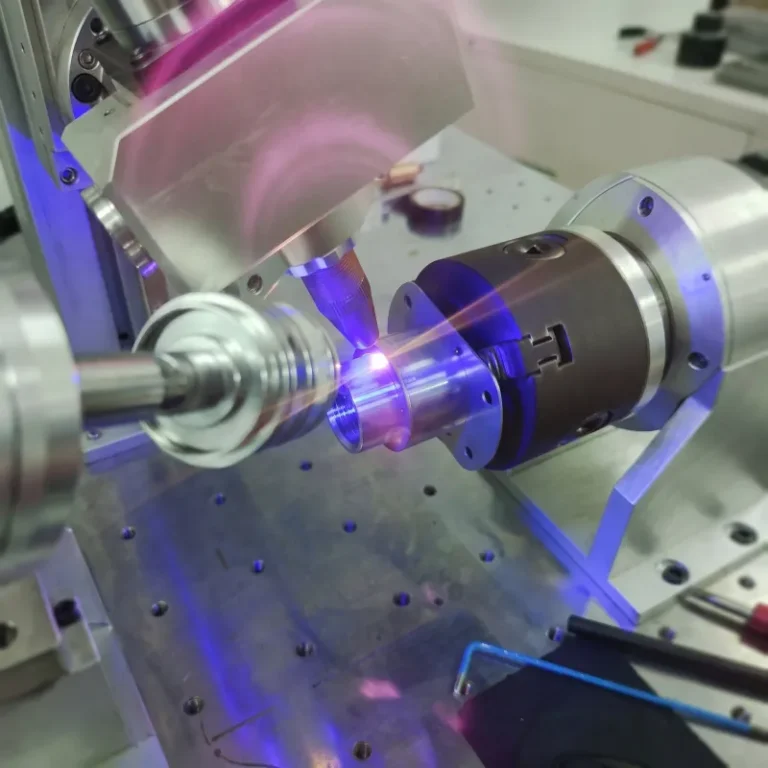
A UV laser sits at the short end of the spectrum. Its light is absorbed by a much wider range of materials, and the mark forms largely by breaking molecular bonds at the surface rather than by heating the bulk. This is usually called cold marking. The heat spread into the surrounding material is minimal, which is the entire point when the material is fragile or heat-reactive.
When Fiber Is the Right Choice
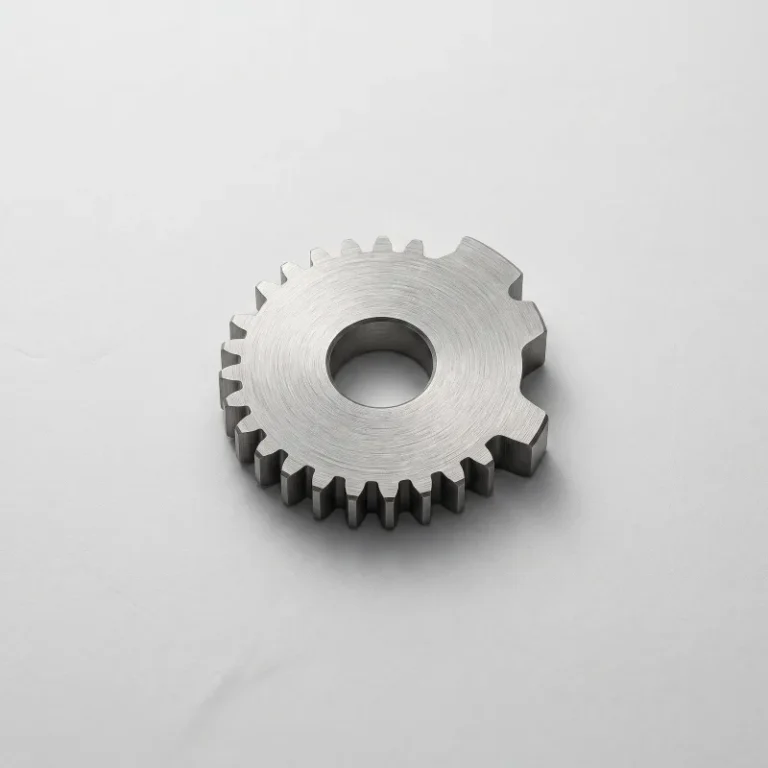
For metal parts, fiber is the sensible default. Steel, stainless, aluminium, brass and coated metals all mark cleanly, contrast is strong, and the mark survives handling, washing and outdoor exposure. Serial numbers, data matrix codes, logos and traceability marks on metal components are exactly what this source is for.
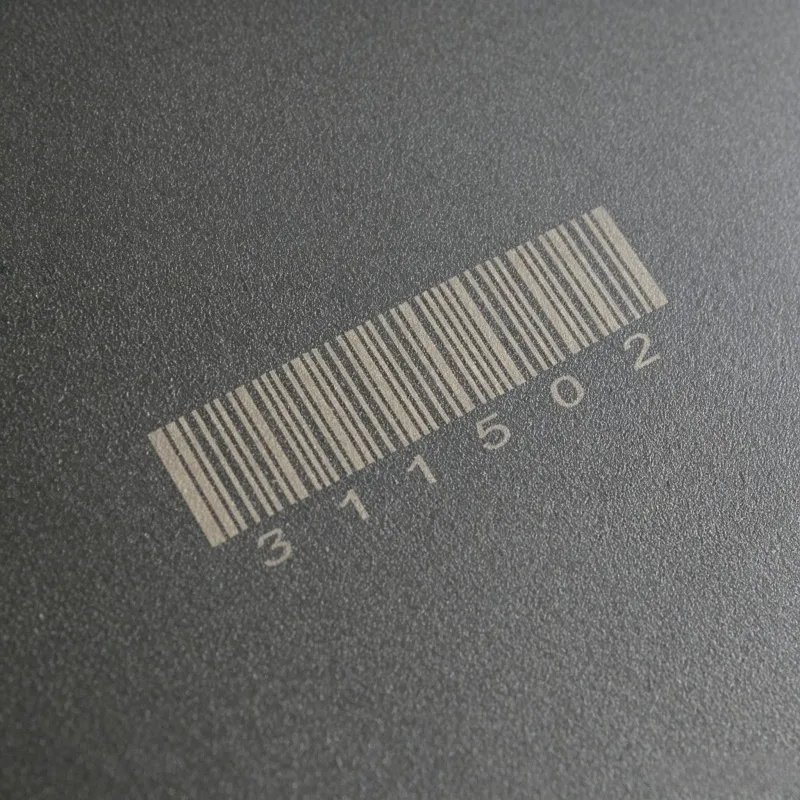
Fiber also handles some hard plastics and painted surfaces acceptably. The qualifier matters: acceptably is not the same as well, and it is worth marking samples before committing a production line to it.
When Only UV Will Do
Certain materials effectively decide the question for you. Clear and light-coloured plastics tend to burn, discolour or deform under a fiber beam, while a UV source produces a sharp, high-contrast mark without melting the edges. Glass and many ceramics respond the same way — a UV mark stays crisp where a thermal process risks micro-cracking.
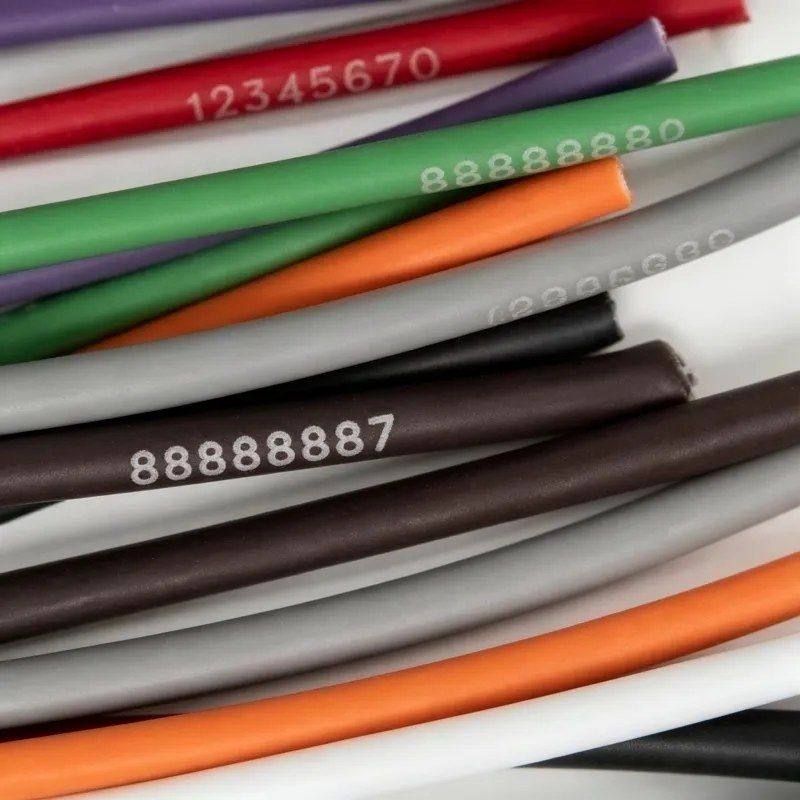
The same applies to flexible cable and wire insulation, thin films and packaging, medical and electronic components where heat damage is unacceptable, and any part where a fine, legible code has to sit on a small or delicate surface. If your parts fall into these groups, the price gap between the two sources stops being a decision point, because the cheaper one cannot do the job at all.
Legibility on Small Features
Shorter wavelength light can be brought to a finer focus, which is why UV marking holds legibility on very small characters and dense codes better than a thermal process does. When a code has to be readable by a scanner on a component barely larger than the code itself, this difference is the one that shows up in scan-failure rates.
Do Not Buy on the Wrong Comparison
The common mistake is treating this as a budget decision when it is a material decision. A useful order to work through:
- List the materials you actually mark, by volume rather than by memory.
- All metal, or metal with occasional hard plastic — fiber.
- Clear or light plastic, glass, ceramic, film, cable or medical parts — UV, and a fiber machine will disappoint you.
- A genuine mix of both — decide which side carries the revenue, and consider two sources rather than compromising on one.
Whatever the shortlist, mark real samples of your own parts before ordering. Material data sheets do not predict marking behaviour reliably, and a sample takes an afternoon.
Getting a Straight Answer
Topstar is maker-backed and supplies factory-direct marking systems in both fiber and UV configurations, spec-ed to the part rather than sold from a single default. Our laser marking guide covers process selection in more depth, and the laser marking machine overview sets out the configurations available. If you are weighing process choices elsewhere in the workshop, our comparisons of fiber and CO2 cutting and laser welding versus TIG follow the same approach.
Send the material you mark most, and the mark you need on it. A sample settles this faster than any spec comparison, because contrast is what you are actually buying and it only shows up on the real material. Send us a sample