In short: Dustless blasting is wet abrasive blasting. Water and abrasive are mixed inside a pressurized blast pot and leave the nozzle together, so each grain arrives coated in water and the dust it knocks loose is wetted at the surface instead of rising into a cloud. It strips paint, rust and old coatings much as dry sandblasting does, with far less airborne dust, but it leaves a wet surface that has to be dried and protected before it rusts.
The name started as a brand and is now used loosely for most wet blasting rigs. What it describes is the method, not a particular machine.
How Dustless Blasting Works
A dustless rig has the same parts as a dry blaster: a compressor, a pressure pot, a hose and a nozzle. The difference is inside the pot. Water goes in with the abrasive, and compressed air pushes the wet mix down the hose and out of the nozzle at the work.
Fitting a water ring to a dry blaster is a different thing. A ring sprays water around the stream at the nozzle, which damps the dust but leaves the abrasive dry when it hits. In a true wet pot the water and the grit are mixed before they leave, which is why the dust stays down so much better.
Crushed recycled glass is the usual abrasive because it is cheap, contains no free silica and cuts quickly. Garnet and other mineral grits are used where a different profile is wanted. Operators turn the pressure down for soft or thin work and up for heavy rust and mill scale, using the same nozzle.
What Changes Compared with Dry Sandblasting
Dust
The water carries most of the fine particles to the ground with the spent abrasive. The work area stays visible, nearby people and equipment are far less exposed, and jobs that a dry blaster could not do without full containment become possible in a yard or a car park. Operators still need a respirator and hearing protection, because less dust is not no dust.
Heat on thin panels
Dry blasting heats a thin panel through friction, and a car door or a truck tailgate can stretch and bow if the operator lingers. The water in a wet stream carries much of that heat away, which is a large part of why restorers use wet blasting on body panels.
Abrasive use
Because the wet grit hits harder and the operator can see the surface, less abrasive is usually needed for the same area. The spent abrasive comes back as a heavy, wet slurry rather than a cloud of dust, which is easier to sweep but heavier to haul.
Flash rust
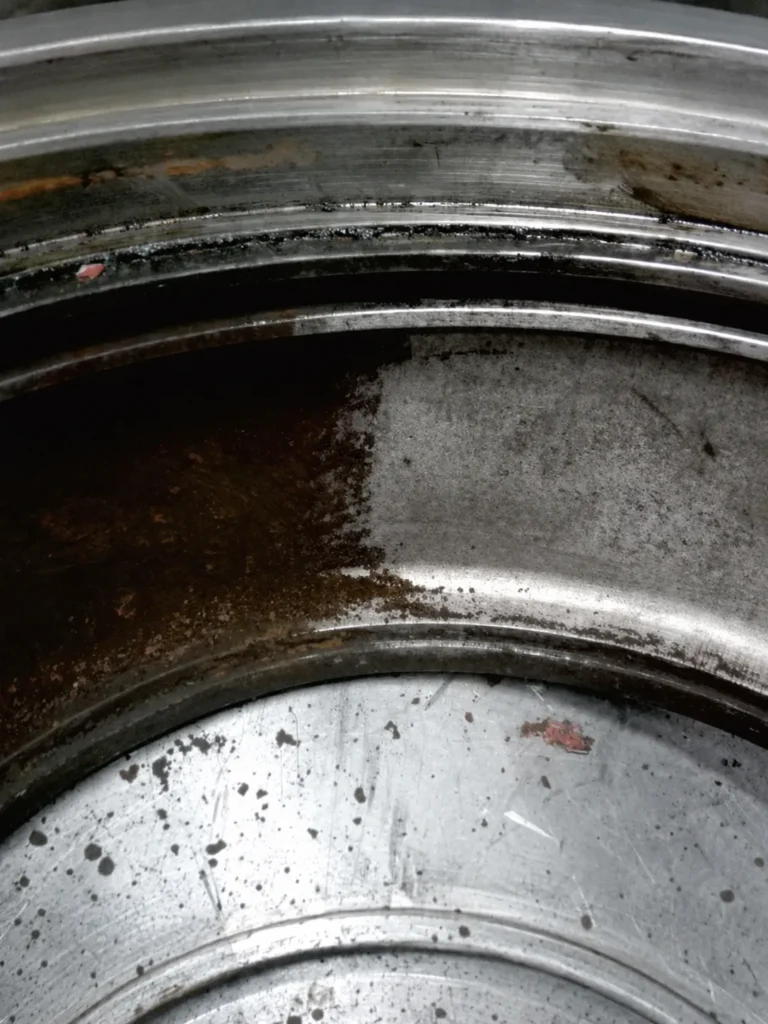
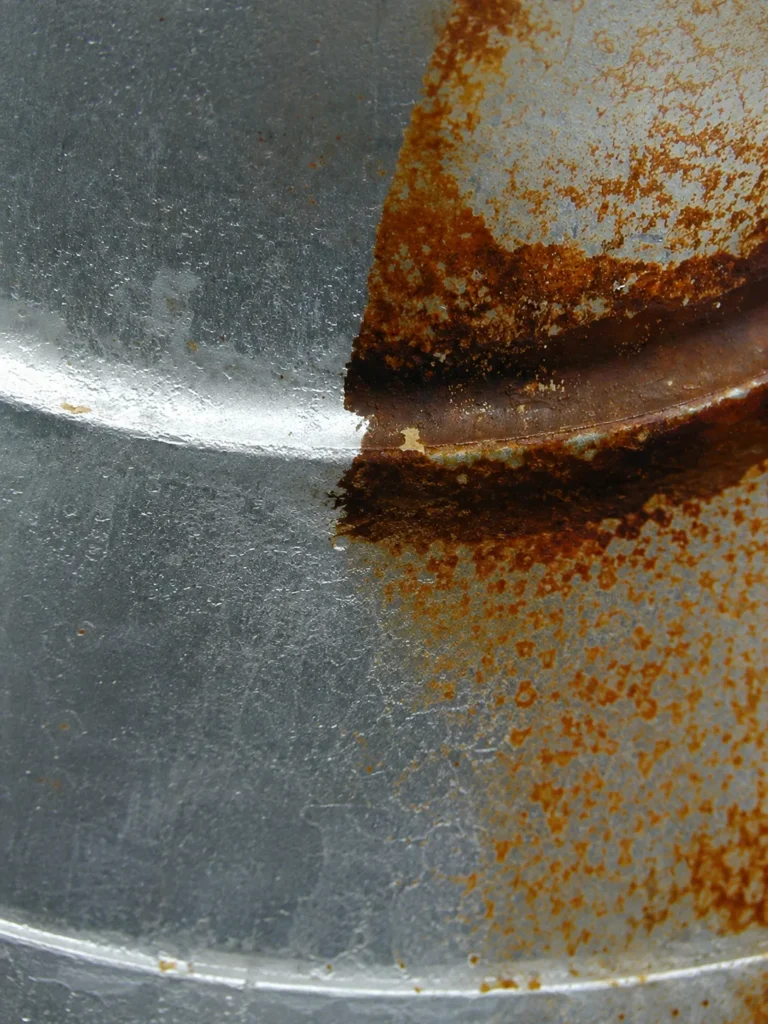
Bare steel that has just been wetted starts to oxidize as it dries. Most wet blasting crews add a rust inhibitor to the water or wash the surface down with one straight after blasting. Panels can look perfectly clean while wet and show a thin brown bloom an hour later, so the inhibitor and the drying time count for as much as the blasting itself. Our article on whether sandblasting removes rust looks at rust and abrasive blasting more broadly.
Where Wet Blasting Works Well
Vehicle and boat restoration is the most familiar use. Paint, filler and surface rust come off steel and aluminum panels without the warping a dry blaster risks, and fiberglass can be stripped with a gentle setting.
Masonry, brick and concrete clean up well too, especially for graffiti and old paint on walls in public spaces where a dust cloud would be unacceptable. Pools, tanks and structural steel in occupied buildings are other common jobs, and mobile trailer rigs make it easy to take the process to the work. For the general background on blasting media and pressures, our introduction to sandblasting is a good starting point.
Where It Struggles
The water has to go somewhere. Spent abrasive, removed paint and rust come back as slurry that needs to be contained and disposed of, and if the old coating contains lead, the slurry is hazardous waste just as dry debris would be. Wet blasting reduces what travels through the air, not what lands on the ground.
Cold weather is a real limit. Water in the pot, hose and on the work freezes, so many crews stop working in winter or move indoors.
Anything that cannot get wet is a poor candidate: machinery with exposed bearings, electrical cabinets, interiors and parts with blind holes that trap water. The surface also has to be dry before primer goes on, and an inhibitor left on the steel must suit the coating system. Painters often check this on a test panel before committing a whole job.
At the end of each day the pot and hose need flushing. Slurry left to settle in the hose overnight can set hard enough to block it.
Wet Blasting or Laser Cleaning
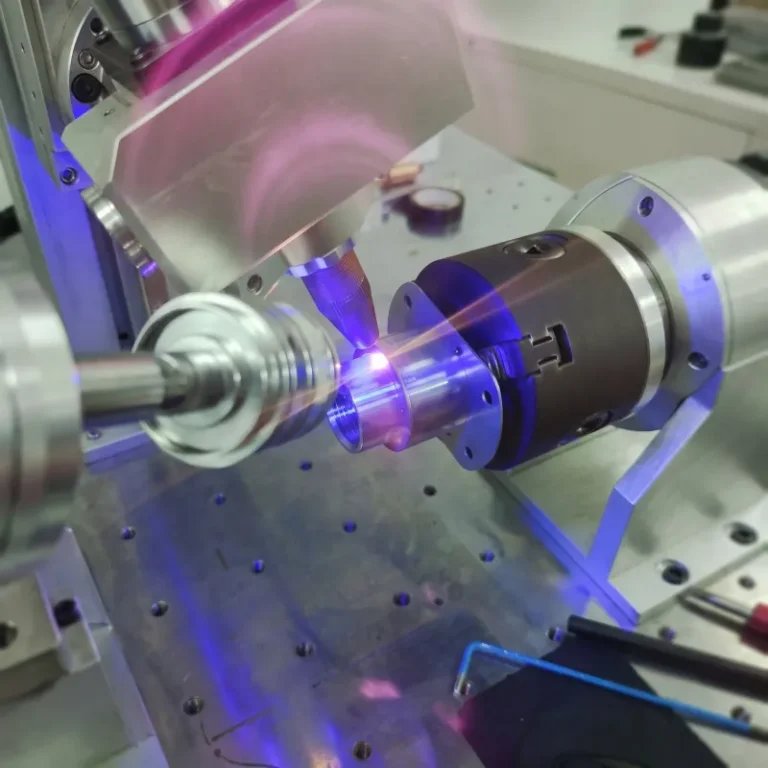
Laser cleaning takes a different route to the same goal. The beam strips rust, paint and oxide off metal without water or abrasive and leaves nothing on the floor; the only by-product is fume, drawn off by an extractor near the head. It works where water is unwelcome, inside a plant, around machinery or on parts that must stay dry, and it can be aimed at one area without disturbing the coating next to it.
Speed depends on power and on what is being removed. Our 6,000 W handheld continuous laser cleaning machine can clear roughly 50 to 100 square meters of rust an hour, depending on the base material and how heavy the corrosion is. For you, that puts it in range for structural steel and heavy equipment rather than only small parts, though thick, multi-layer coatings over large areas are still often faster with a blaster.
The machine side has its own condition. Our 1,500 to 3,000 W portable continuous units are specified for operating humidity of 10 to 85% without condensation, so on a site where a wet blasting crew is also working, the laser cabinet belongs well away from the spray and out of standing water. A handheld laser cleaner suits smaller parts and spot repairs, and the full range is on our laser cleaning machines page.
If you are weighing wet blasting against a laser on a specific job, send a picture showing the surface, what coating or corrosion is on it, and roughly how many square meters you clean in a typical week. We can say which method is likely to suit the part and the site, and what the laser would need to keep up. Tell us what you strip
Common Questions
Is dustless blasting better than sandblasting?
It is better where dust, heat on thin panels or visibility are the problem, and worse where water, freezing weather or slurry disposal are; on large dry steel jobs with full containment, dry blasting is still common.
Does dustless blasting warp metal?
Much less than dry blasting, because the water carries away the heat that friction builds up.
How do you stop flash rust after wet blasting?
Add a rust inhibitor to the blast water or rinse with one immediately after blasting, let the surface dry fully, and prime within the time the inhibitor maker allows.
What abrasive is used in dustless blasting?
Crushed recycled glass is the most common, with garnet and other mineral grits used where a different surface profile is needed.
Can you dustless blast in winter?
Only in heated spaces or on mild days, because the water in the pot, hose and on the surface freezes below zero.
Related
Equipment
Further reading
Get in touch
- Tell us what you strip, with a photo and the area you clean each week.