In short: Yes — sandblasting removes rust, and it does so quickly, even on heavy scale across large steel structures. What it also does is roughen the surface, embed media particles and produce a stream of contaminated waste. That is why, on moulds, machined parts and repeat production work, many shops now look at laser rust removal instead.
How Blasting Removes Rust
Abrasive blasting works by impact. Media is accelerated by compressed air and driven into the surface, fracturing the oxide layer and knocking it loose. It is indiscriminate by design — the media does not distinguish between rust and the steel underneath, which is why it is effective on heavy scale and why it always removes some parent material along with the corrosion.
That indiscriminate action is both the strength and the limitation. On a corroded beam, frame or tank shell it is hard to beat. On a machined surface, a mould cavity, a thin panel or any part with a dimension that matters, it is the wrong tool.
What Blasting Leaves Behind
A Changed Surface Profile
Blasting produces an anchor pattern. For paint and coating adhesion that profile is desirable, which is why blasting remains standard practice ahead of coating. Where a part has to keep its original finish or dimensional tolerance, the same profile is a defect.
Embedded Media
Particles lodge in the surface. On structural steel bound for paint this is usually tolerable. On stainless steel, the risk is iron transfer: media with any carbon-steel history seeds the surface with particles that corrode months later.
Waste and Containment
Every kilogram of media used becomes waste mixed with the removed rust, old paint and whatever else was on the part. Containment, collection and disposal are a real operating cost, and inside a working plant the containment is often the harder half of the job.
Distortion on Thin Sections
Prolonged blasting on light-gauge sheet warps it. No setting prevents this; it is a consequence of the mechanism. The giveaway is a panel that sat flat on the bench before blasting and rocks on it afterwards.
Blasting Compared With Laser Rust Removal
| Abrasive blasting | Laser rust removal | |
|---|---|---|
| Mechanism | Mechanical impact | Optical absorption of the oxide layer |
| Contact | Media strikes the part | Non-contact |
| Substrate profile | Roughened anchor pattern | Left as found |
| Consumables | Media, continuously | None |
| Waste stream | Spent media plus removed rust | Extracted fume only |
| Containment | Enclosure or screening required | Localised extraction |
| Control | Down to the operator’s hand | Parameter settings |
| Thin material | Risk of distortion | Adjustable output, 10–100% |
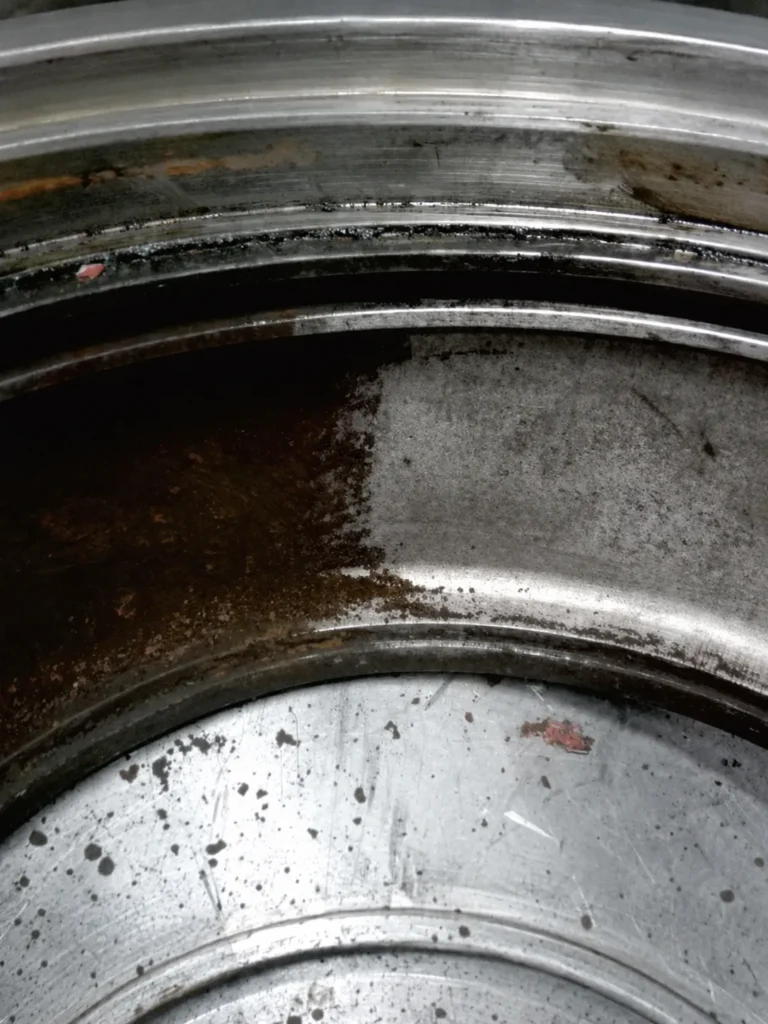
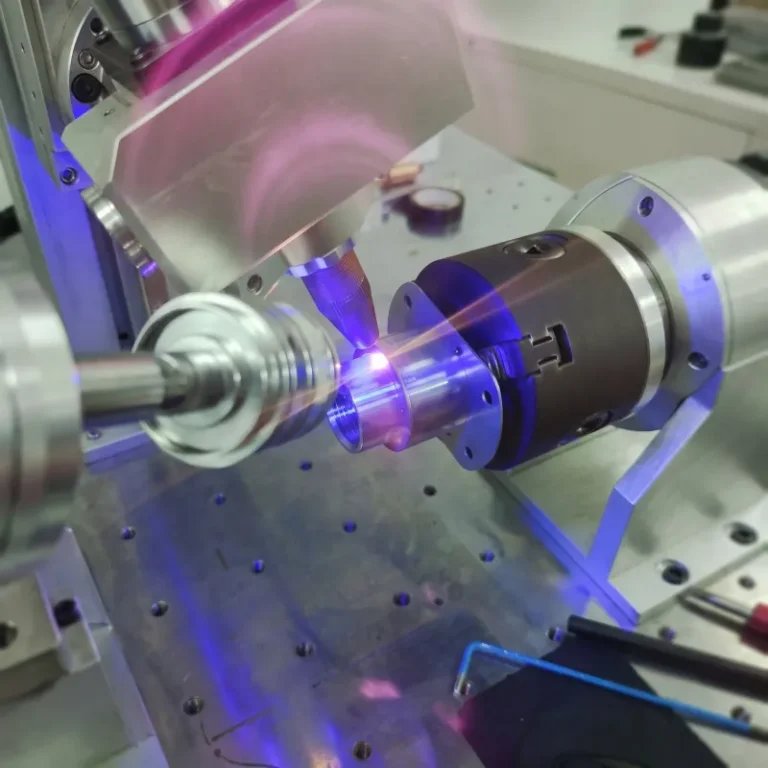
Laser rust removal works on a different principle. The oxide layer absorbs the laser energy and is driven off, while the reflective metal beneath absorbs comparatively little. Because the energy is delivered optically rather than by impact, the substrate is not mechanically worked.
There are two practical configurations. Pulsed systems at 50 W and 100 W operate at 1064 nm and are air-cooled; a handheld pulsed laser cleaner is the choice where a layer has to come off without touching what is underneath. Continuous laser cleaning machines are higher-power, water-cooled systems suited to large workpieces; these cover ground faster on heavy corrosion. For a wider side-by-side that also covers dry-ice blasting, see laser cleaning vs sandblasting and dry-ice blasting.
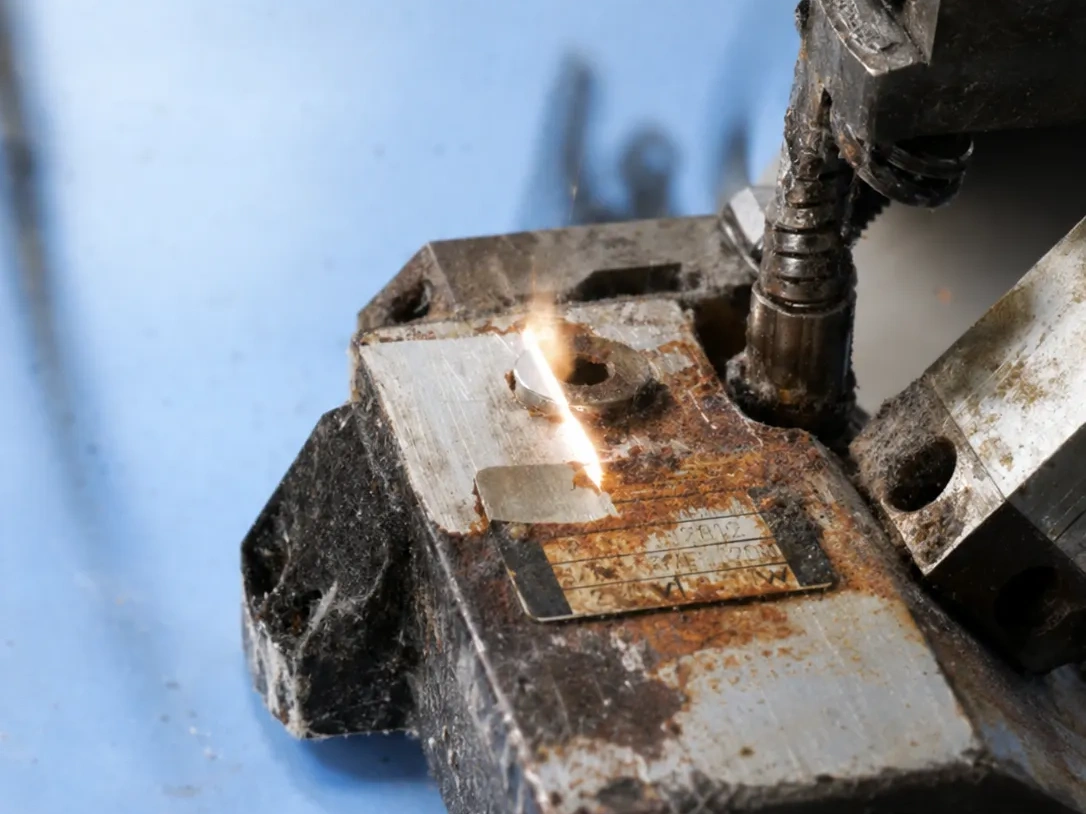
Where Each Method Fits on the Shop Floor
Where Blasting Still Wins
Blasting remains the better choice when a surface is about to be coated and needs an anchor profile — laser cleaning leaves a smoother surface, which is the opposite of what a coating system wants without additional preparation. It is also more economical on very large, heavily corroded steelwork where finish is irrelevant and the only requirement is square metres per hour.
Where Laser Rust Removal Changes the Calculation
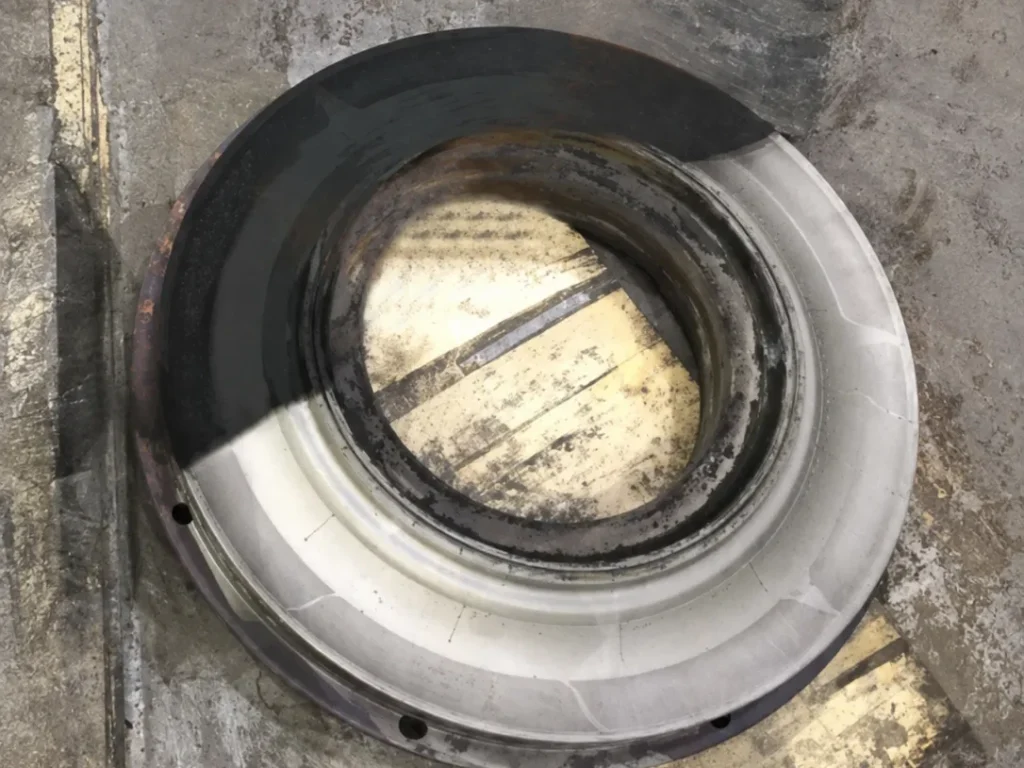
- Moulds and tooling, where the cavity surface is the product — see laser mould cleaning.
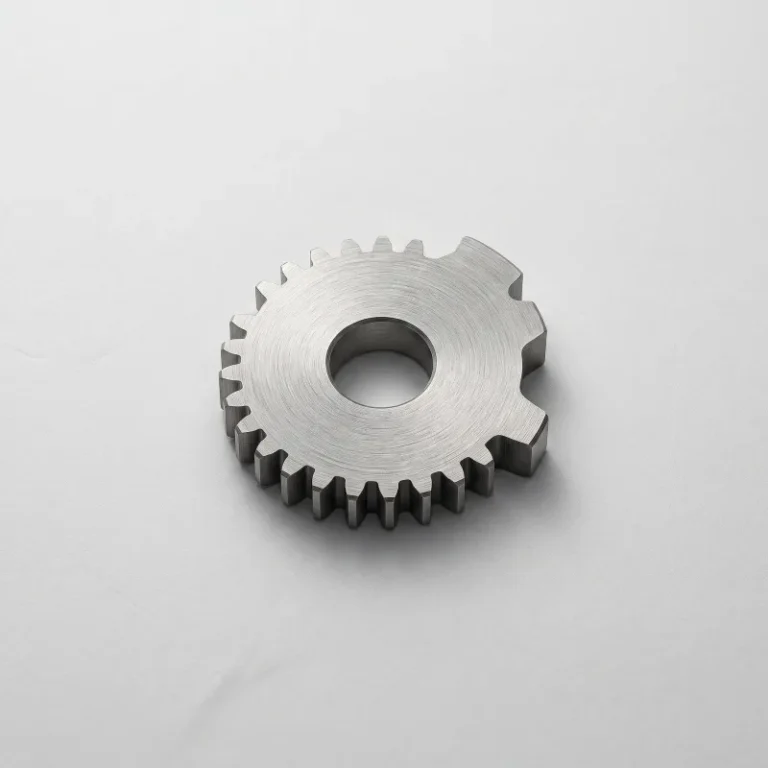
- Machined and precision parts that must keep their dimensions after derusting.
- Stainless steel and aluminum, where media contamination is a concern.
- Component refurbishment, where the same part types come back repeatedly and a stored parameter set is worth more than operator skill.
- Plants where containment is difficult, because there is no media to escape into neighbouring work areas.
Working out whether laser pays back on derusting? It usually comes down to one line in your costs: what a year of media and disposal actually costs you. Tell us that figure along with the parts and the corrosion level, and the comparison turns into arithmetic instead of opinion. Get in touch
Where the Money Actually Goes
The two methods have different cost shapes. Blasting has a lower entry cost and an ongoing media and disposal cost that scales with use. Laser removal has a higher entry cost and effectively no consumable cost — the running expense is electricity, extraction and maintenance.
The crossover depends on utilisation: hours per week, not which technology is better. For occasional jobs, blasting almost always wins on total cost. For continuous production, the media and disposal line is what decides it.
Common Questions
Does sandblasting remove rust completely?
It removes the oxide it can reach. Pitted corrosion holds rust below the original surface, and blasting opens a pit up rather than getting the corrosion out of the bottom of it. The same limitation applies to laser removal — deep pitting is a material condition, not a cleaning problem.
Will blasting damage the metal?
It removes a small amount of parent material every time and roughens what remains. On heavy sections that is inconsequential; on thin sheet, mould surfaces or machined parts it is not.
Can stainless steel parts be sandblasted?
Only with abrasive that has never been near carbon steel. Once a batch has blasted carbon steel it carries iron, and that iron ends up in the stainless surface and rusts there.
Does laser rust removal damage the substrate?
Run at settings matched to the layer being removed, the energy is consumed by the oxide rather than the base metal. Output is adjustable across a 10–100% range for exactly this reason.
Related
Equipment
Further reading
- Is Laser Cleaning Safe for the Substrate?
- Laser Cleaning vs. Sandblasting: A Practical Comparison for Rust and Coating Removal
Get in touch
- Contact Topstar to discuss which configuration suits your corrosion and throughput.