
The Materials Fiber Can’t Touch
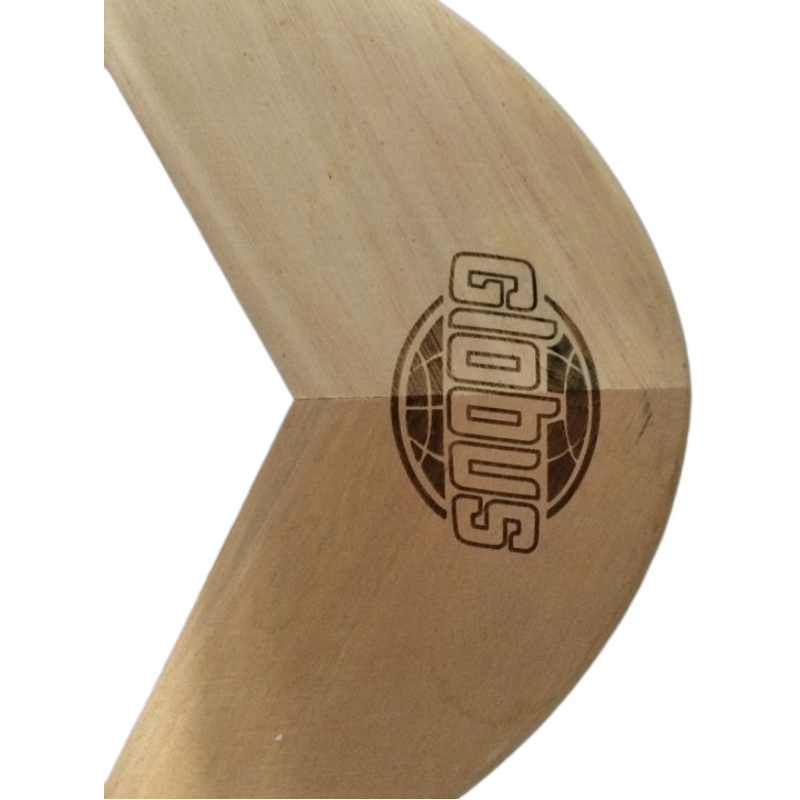
Non-metal laser marking uses a CO2 or UV source to mark wood, acrylic, glass, leather, paper and plastics — materials a fiber beam would pass straight through. The mark is in the surface itself, so it’s permanent and ink-free.
CO2 or UV — How They Differ
CO2 at 10.6 µm is the organics specialist: wood, acrylic, leather, paper and coated surfaces. UV at 355 nm marks cold, so it suits heat-sensitive plastics, glass and electronics where a CO2 burn would damage the part — and it resolves ultra-fine detail down to 0.01 mm line width.
| Source | Wavelength | Best on | Heat | Typical use |
|---|---|---|---|---|
| Fiber | 1064 nm | metals, hard plastics | low | IDs, codes, logos on metal |
| MOPA | 1064 nm tunable | stainless color, anodized black | very low | color / fine marking |
| CO2 | 10.6 µm | wood, acrylic, glass, leather | medium | non-metal marking |
| UV | 355 nm | sensitive plastics, glass | minimal | medical, cosmetics, electronics |
What We Mark
Wood and bamboo, acrylic and plexiglass, glass and ceramics, leather and fabric, paper and packaging, PCB and electronic housings.
CE Marking & Compliance
Every machine ships CE-marked, with conformity documentation available on request. We never claim SASO, SABER, GCC or UKCA we do not hold.
Picking the Source
Organics and coated surfaces point to CO2; glass, sensitive plastics and ultra-fine detail point to UV. As a maker-backed integrated supplier, we’ll tell you which after a sample on your material.
Request a Quote · Download the Spec Sheet
Explore: Wood · Glass · Acrylic & Plastic · Leather · PCB. Related: CO2 Marking · UV Marking · All Marking Machines.
1-year warranty; installation, training & after-sales support available.